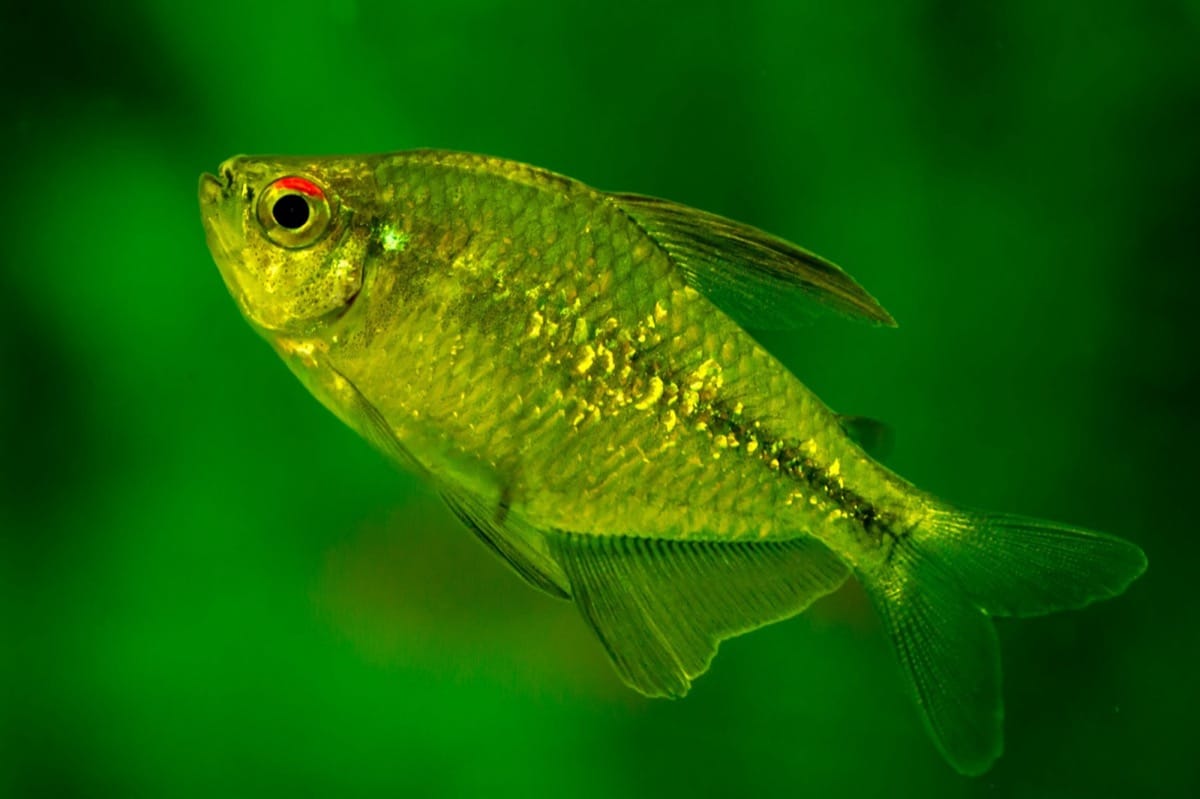
A sparkling, deep-bodied tetra whose males' glittering scales and long fins reward a little extra care.
- Temperature23–28 °C
- pH6–7.5
- Minimum tank70 L
- DifficultyIntermediate
| Food | Flake/pellet + frozen |
|---|---|
| Feeding | 1–2 feeds a day |
| Water change | 25% weekly |
Behaviour and habits
The diamond tetra is a peaceful, deep-bodied shoaler whose scales glitter like diamonds in good condition, a shimmering effect that deepens with maturity and a varied diet. The males grow long, trailing fins, which makes the fish striking but also vulnerable to nipping tankmates. It schools loosely in mid-water and looks best in a planted tank with subdued light, where the glittering scales stand out.
What to feed, and how often
Flake, micro-pellet and frozen foods such as daphnia and bloodworm; feed one or two light meals a day. It is unfussy, and a varied diet and stable, soft-to-neutral water keep the glittering colour at its best.
Water changes and maintenance
Change about 25% weekly in soft-to-neutral water, matched closely. It is a touch more delicate than the hardiest tetras and rewards stability and a mature tank, disliking sudden swings.
Care and how easy it is
Keep it away from fin-nippers and in a settled tank; a group of six or more shows it at its best.
Common health problems
Prone to ich and fin rot, and its long fins are easily damaged by nippy tankmates.
If it gets sick
Avoid fin-nippers, keep the water clean and stable, and treat early if the fins are damaged.
Good tank mates
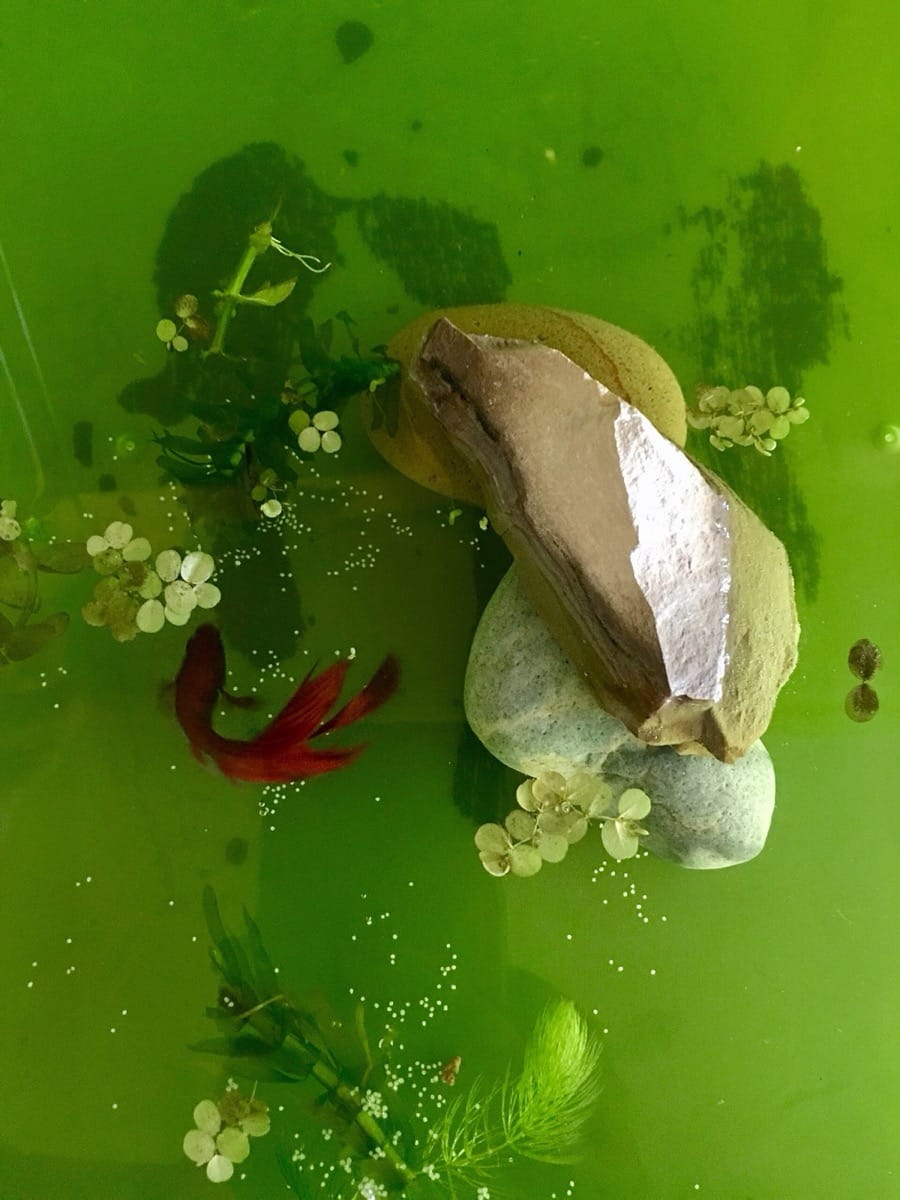
- 24-26 C
- pH 6.5-7.5
- 40 L+; 45 x 30 cm base
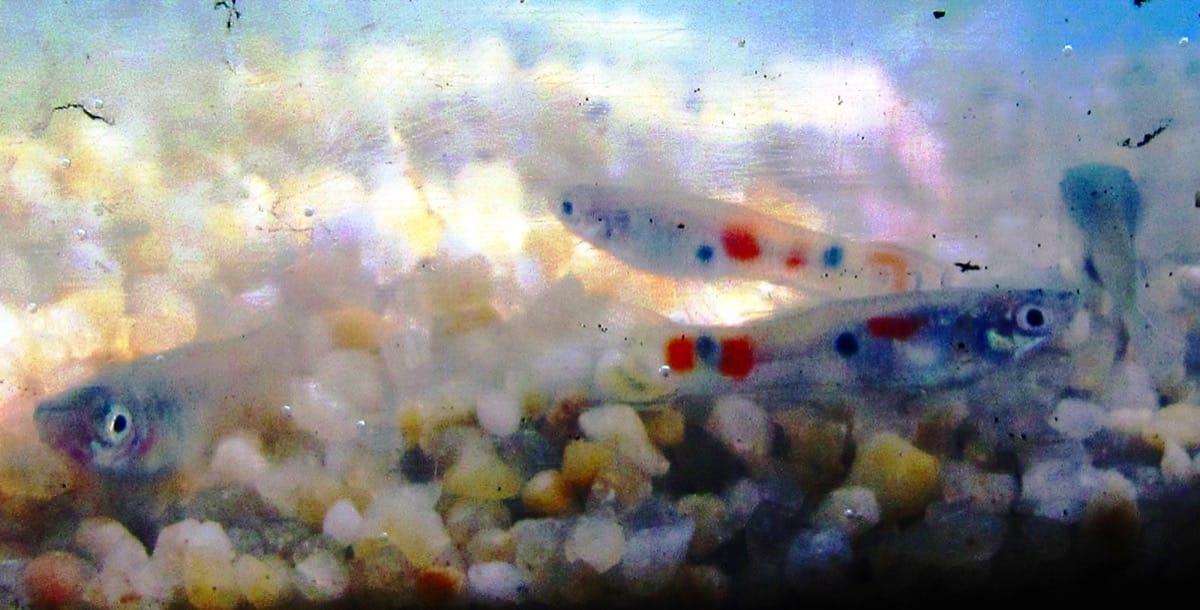
- 22-26 C
- pH 7.0-8.5
- 60 L+; 60 x 30 cm base
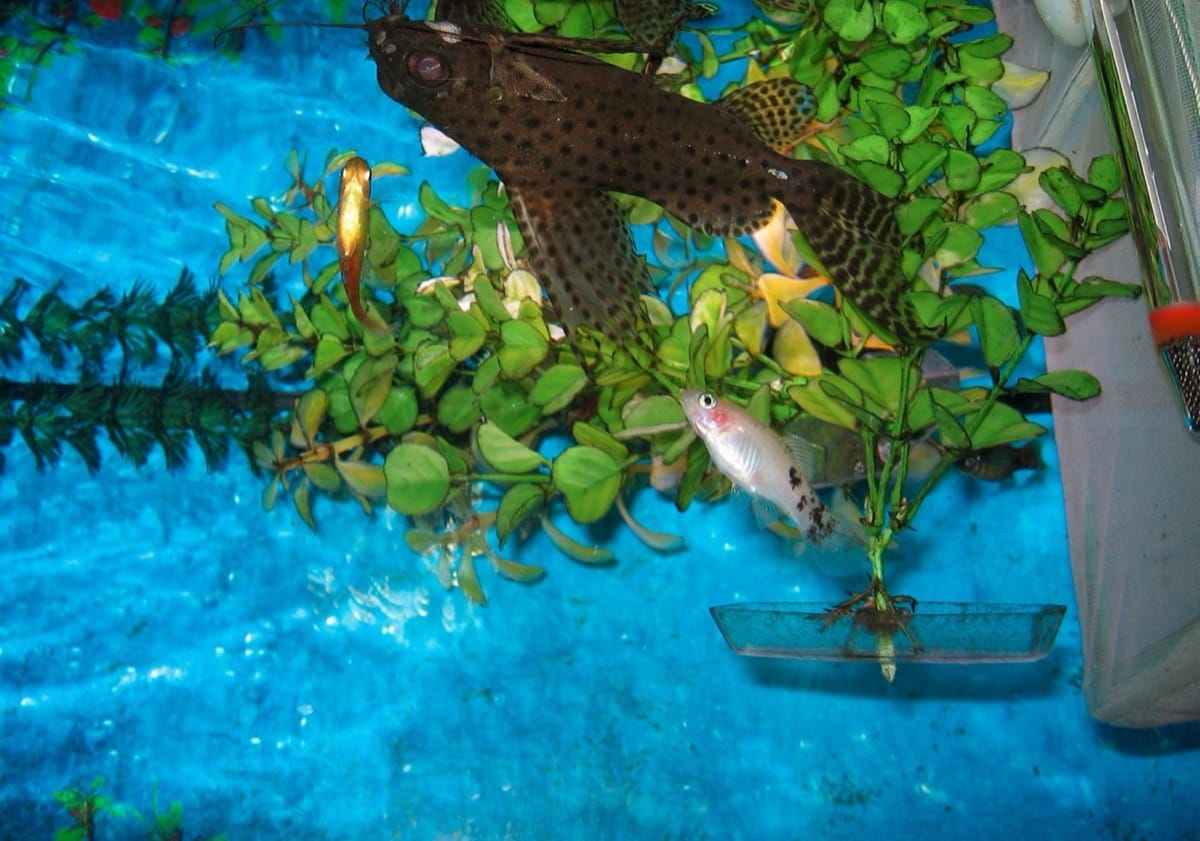
- 20–26°C
- pH 7–8.2
- 50 L+
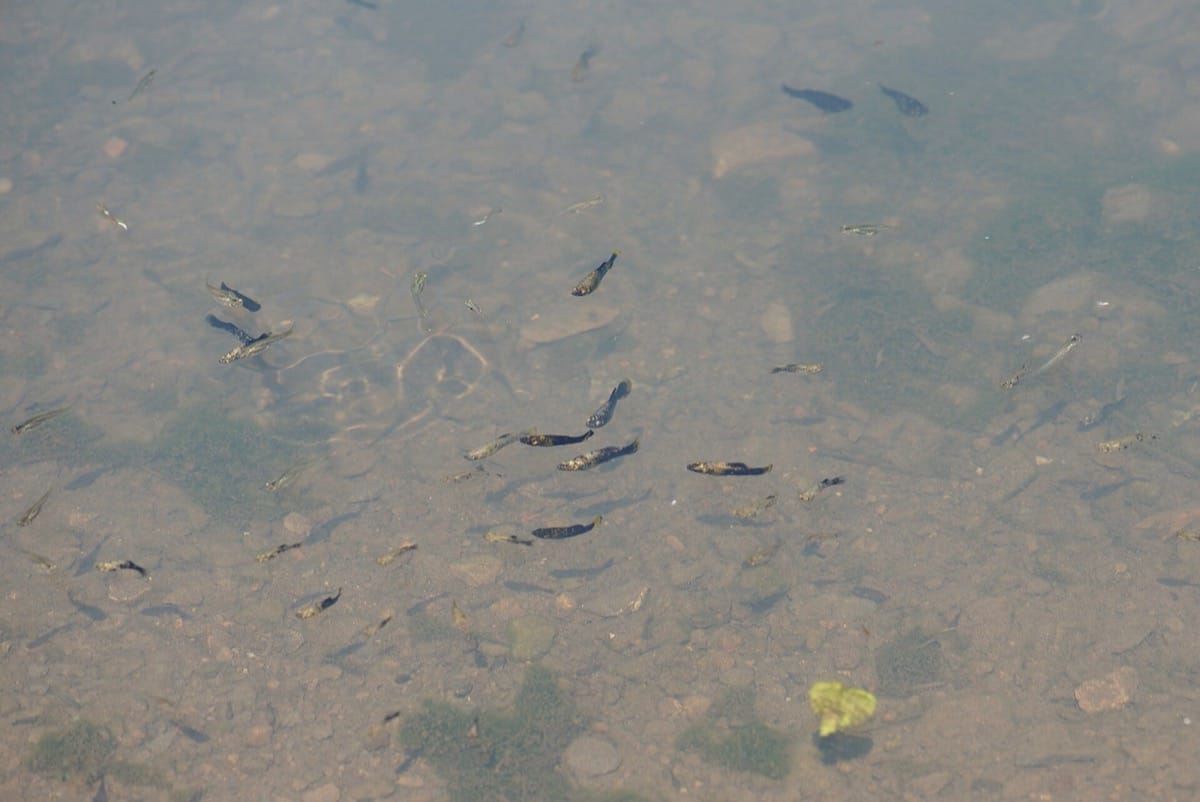
- 22–28°C
- pH 7–8.5
- 70 L+
Best avoided with
Similar species
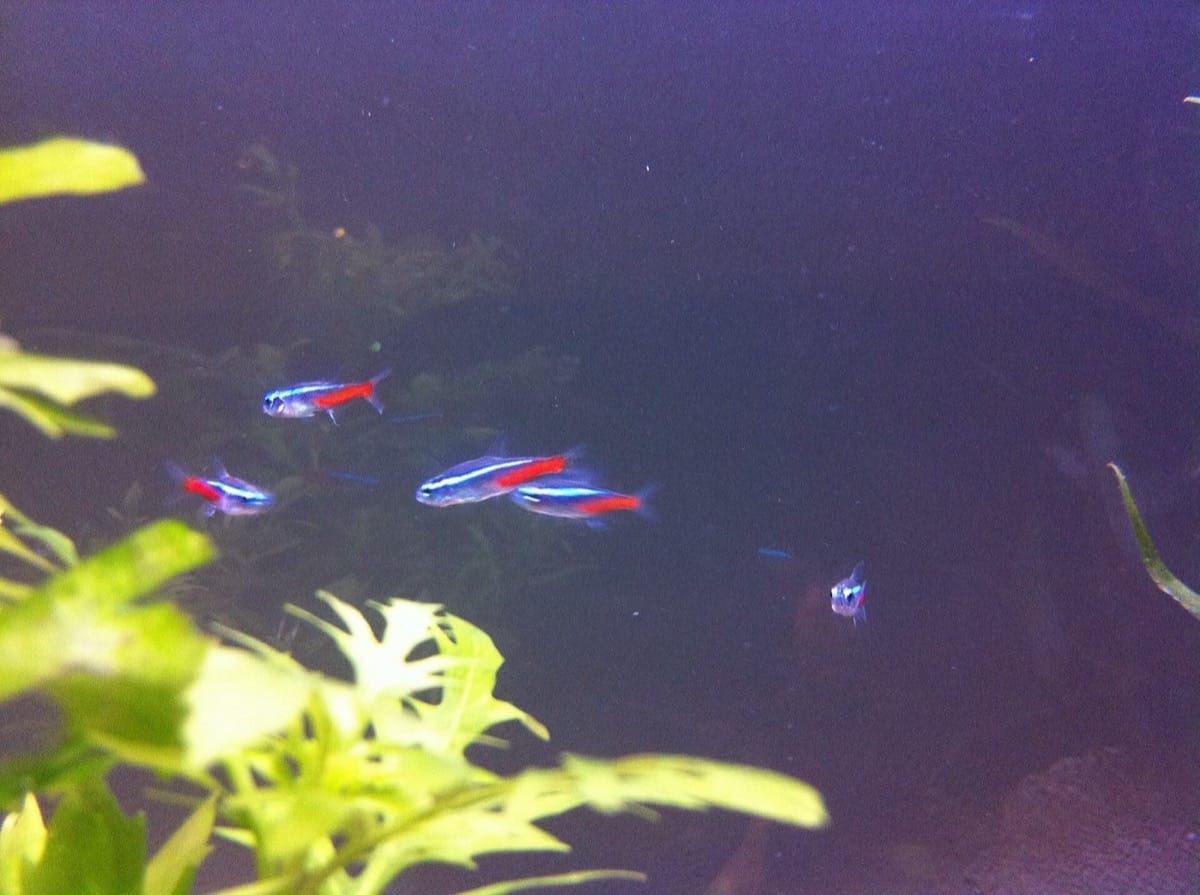
- 21-25 C
- pH 6.0-7.5
- 60 L+; 60 x 30 cm base
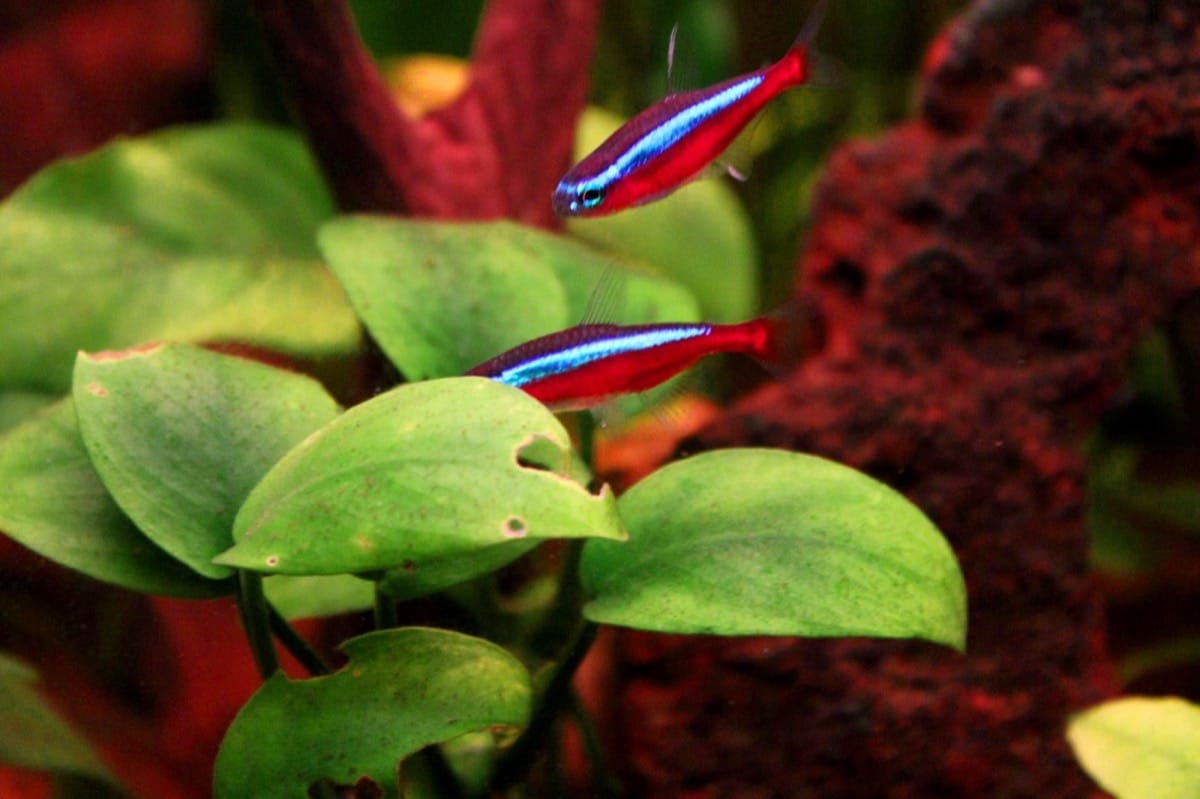
- 23–28°C
- pH 5–6.8
- 60 L+
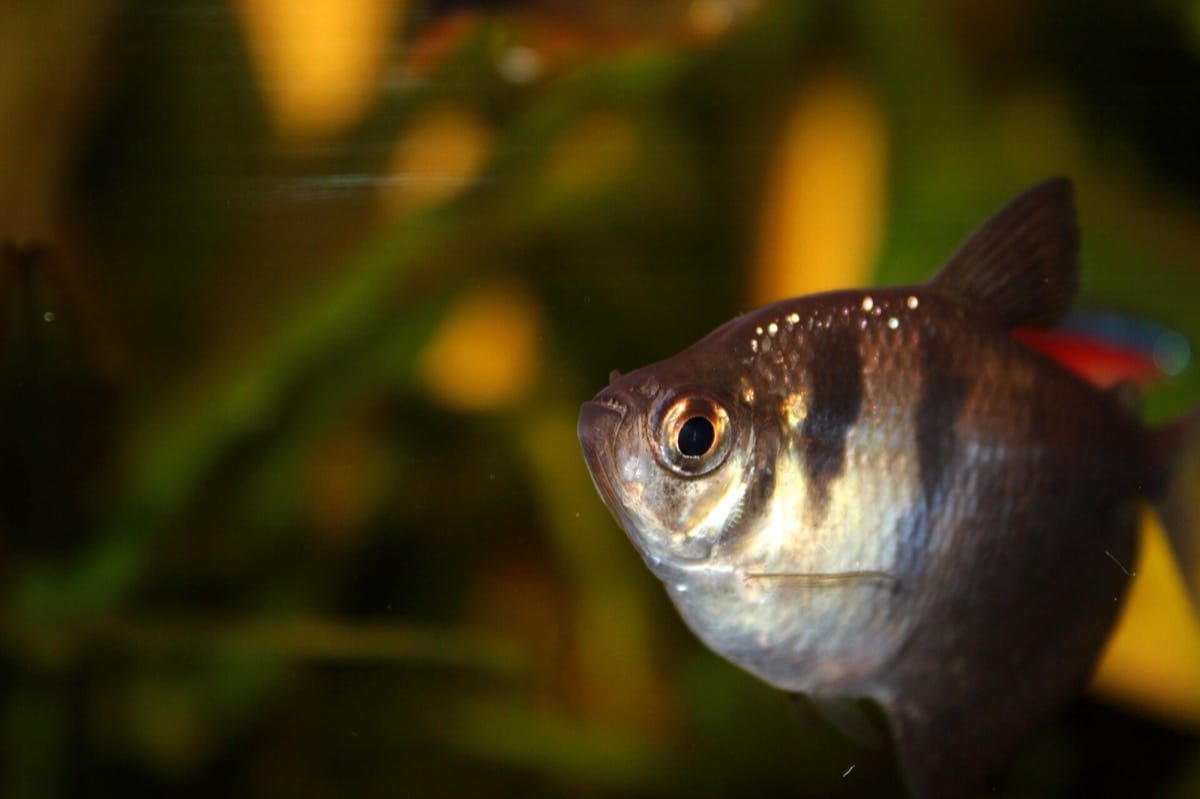
- 22–27°C
- pH 6–7.5
- 60 L+
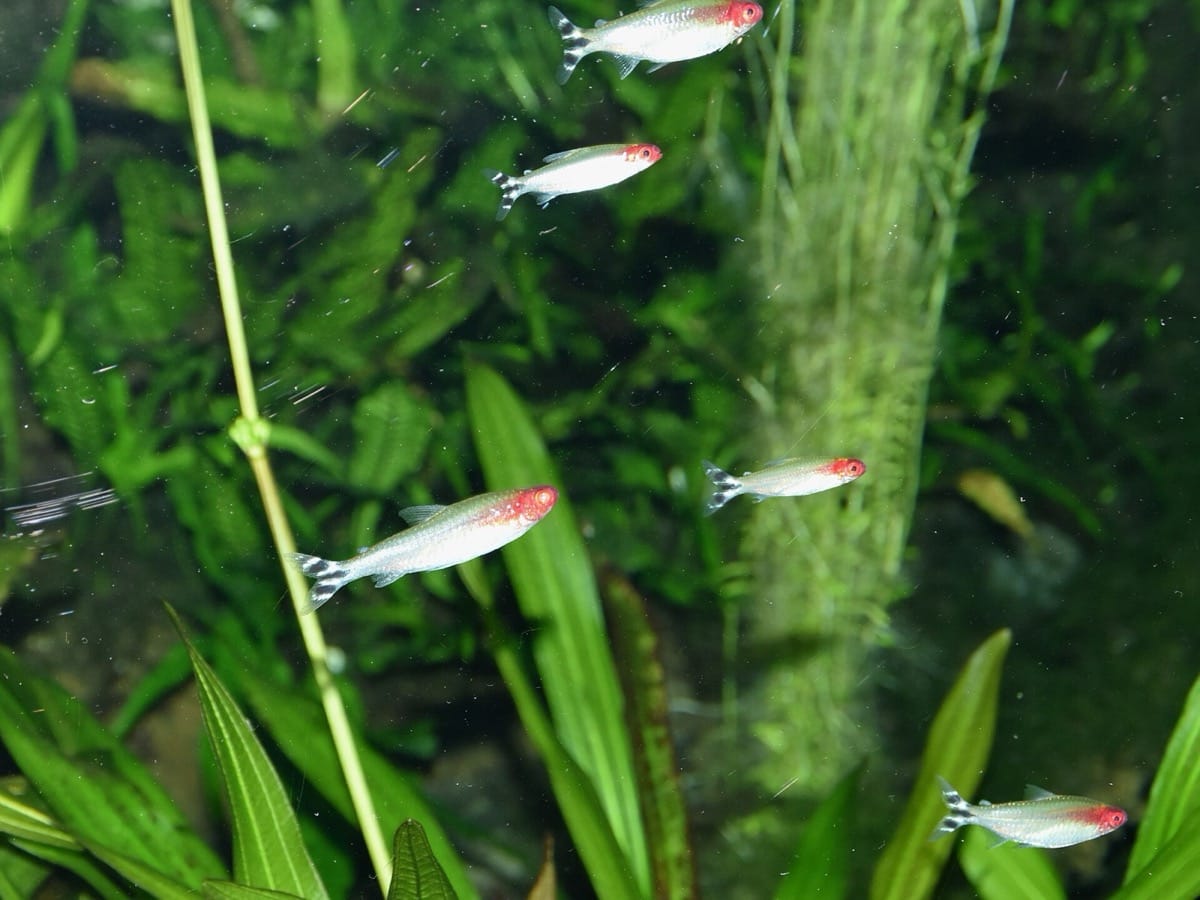
- 24–28°C
- pH 5.5–7
- 60 L+
Compare at a glance
| Parameters | Diamond tetra | Neon tetra | Cardinal tetra | Black widow tetra |
|---|---|---|---|---|
| Parameters | ||||
| Temp | 23–28 °C | 20–26 °C | 23–28 °C | 22–27 °C |
| pH | 6–7.5 | 5.5–7.5 | 5–6.8 | 6–7.5 |
| GH | 4–15 °dGH | 2–12 °dGH | 1–8 °dGH | 4–15 °dGH |
| Min. tank | 70 L | 50 L | 60 L | 60 L |
| Size | 6 cm | 3 cm | 4 cm | 5 cm |
| Diet | Omnivore | Omnivore | Omnivore | Omnivore |
| Temperament | Peaceful | Peaceful | Peaceful | Peaceful |
| Difficulty | Intermediate | Intermediate | Intermediate | Beginner |
Care guides
New to the words? See the aquarium glossary.
Sources and research notes
Parameters are typical ranges for the species in home aquariums and vary with the individual fish and the water you use.