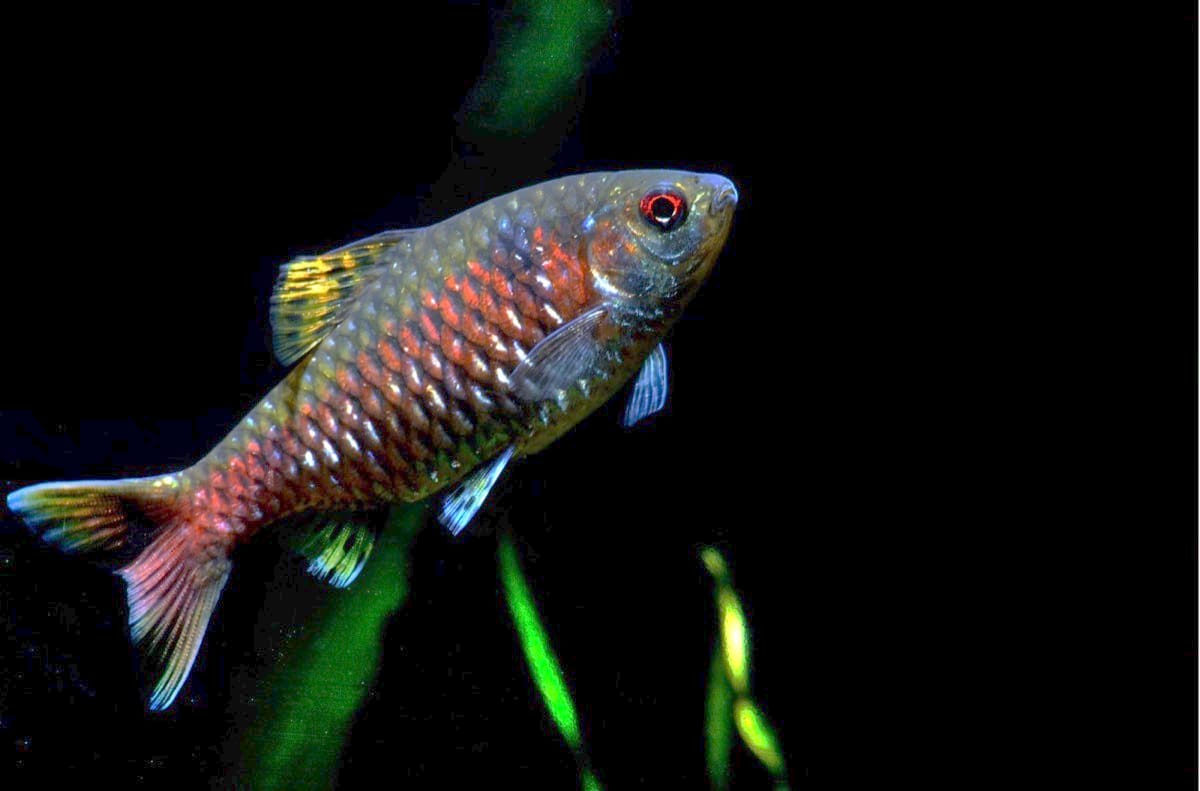
A colourful, peaceful barb whose males show a bright red stripe when settled.
- Temperature20–26 °C
- pH6.5–7.5
- Minimum tank60 L
- DifficultyBeginner
| Food | Flake + frozen food |
|---|---|
| Feeding | 1–2 feeds a day |
| Water change | 25% weekly |
Behaviour and habits
The Odessa barb is an active, colourful shoaler whose males develop a vivid red stripe over a silvery body, one of the brightest small barbs. It is far calmer than the tiger barb, rarely nipping, and it spends the day weaving between plants and open water in a group of six or more. It colours up remarkably well in a planted tank with good food, and it is a hardy, undemanding fish for a community.
What to feed, and how often
A good flake or micro-pellet plus frozen daphnia and bloodworm, and let it graze algae between meals. Feed once or twice a day and vary the diet, which deepens the males' red stripe and keeps the shoal in condition.
Water changes and maintenance
Change 25% weekly in soft-to-neutral water, matched closely. It is undemanding, but stable, clean water is what keeps the males in full colour and the group active.
Care and how easy it is
A great beginner barb — hardy, peaceful and colourful, happy in a planted community with a group of six or more.
Common health problems
Hardy; the usual issues are ich after a chill and fin rot in poor water.
If it gets sick
Keep the water warm and clean, quarantine new fish, and treat ich early rather than waiting for spots to spread.
Good tank mates
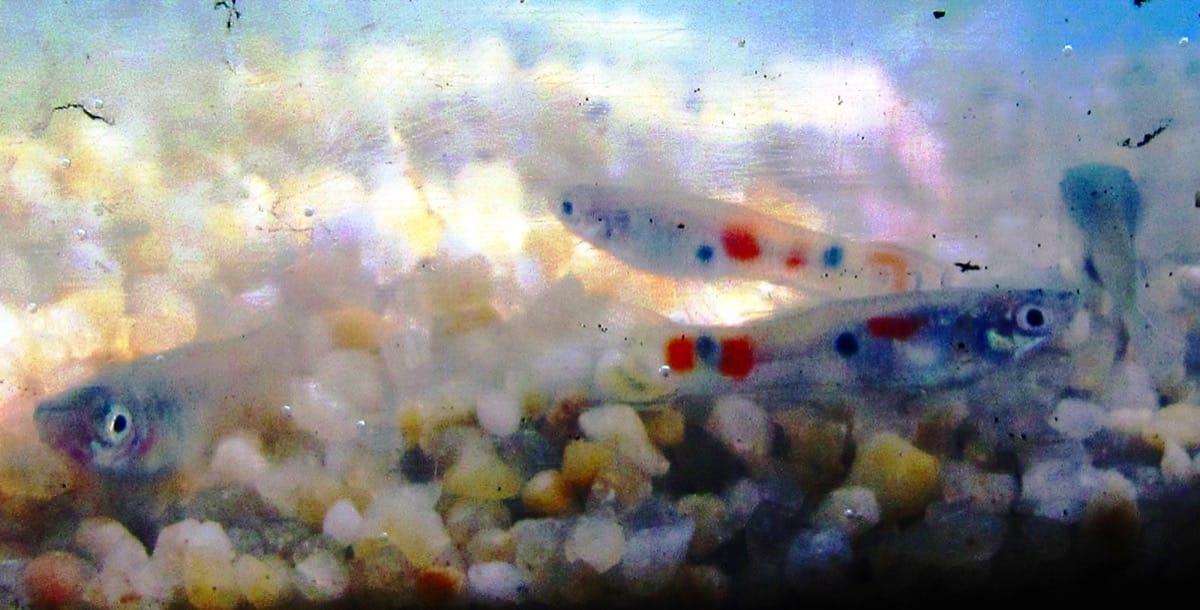
- 22-26 C
- pH 7.0-8.5
- 60 L+; 60 x 30 cm base
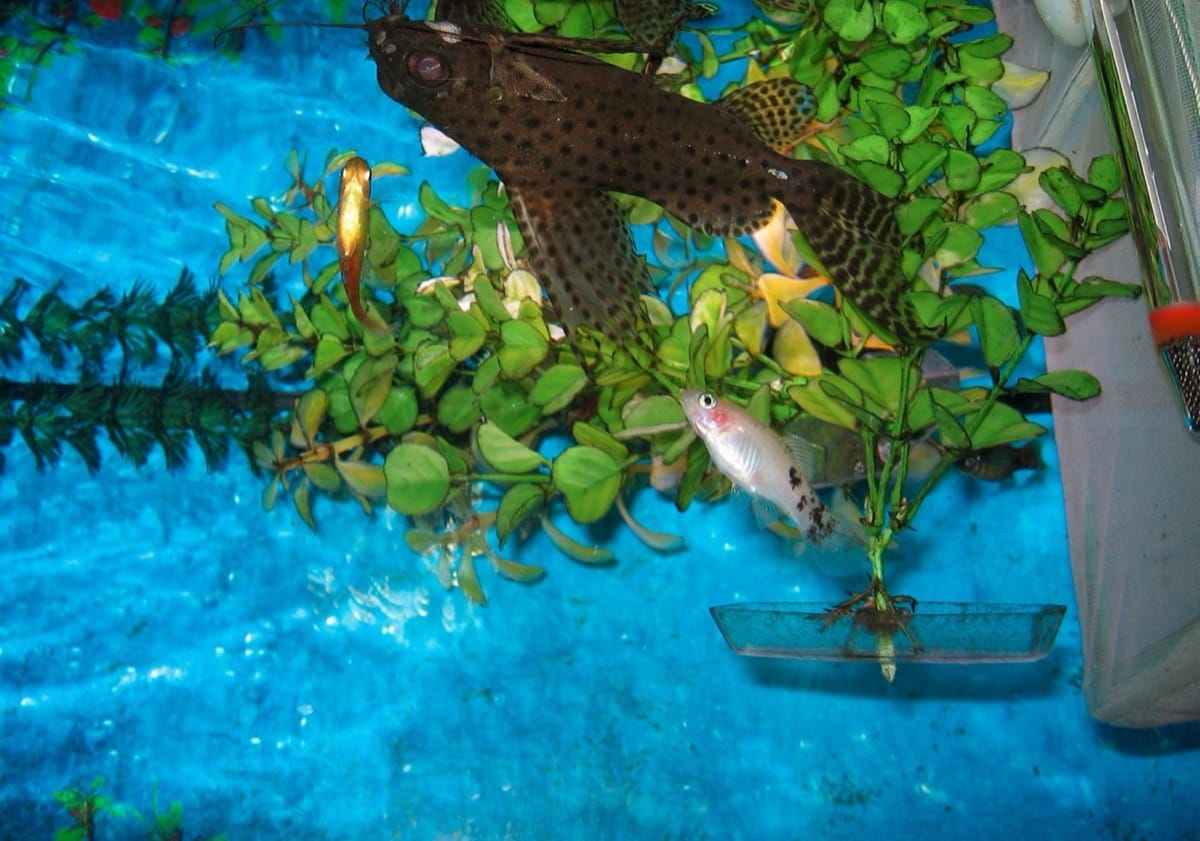
- 20–26°C
- pH 7–8.2
- 50 L+
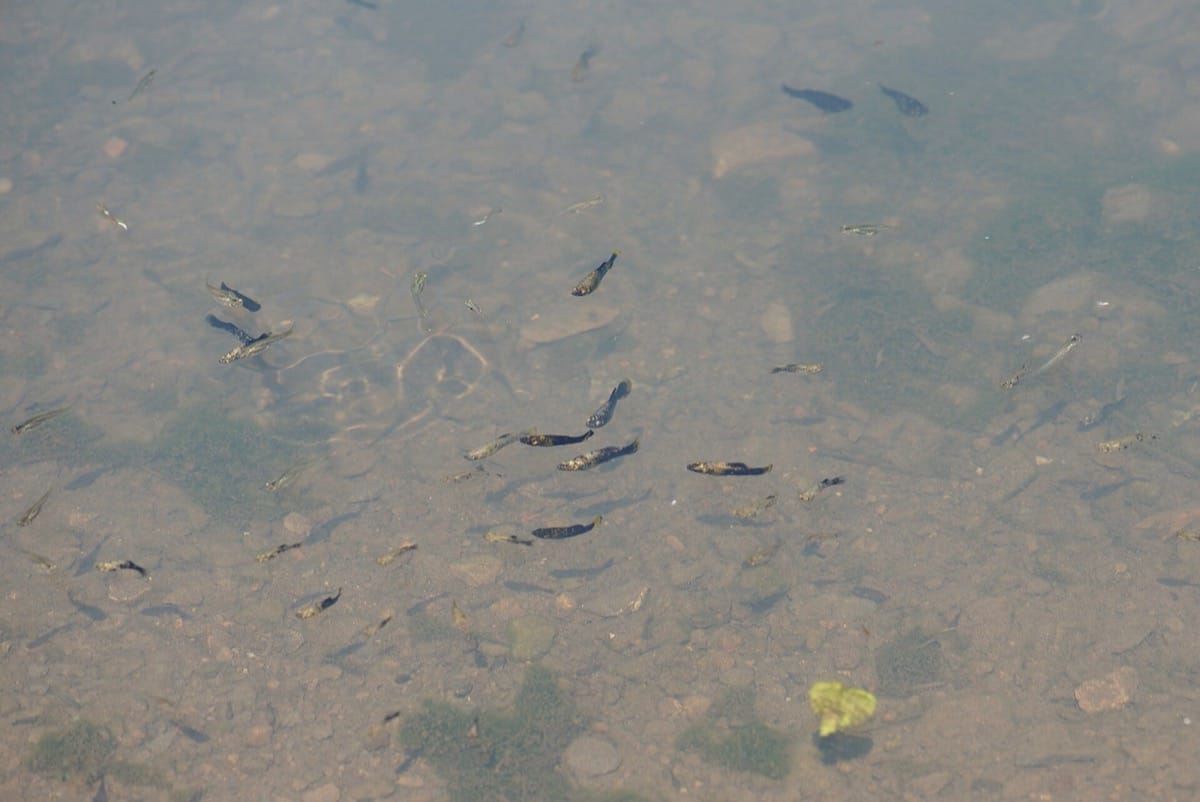
- 22–28°C
- pH 7–8.5
- 70 L+
Best avoided with
Similar species
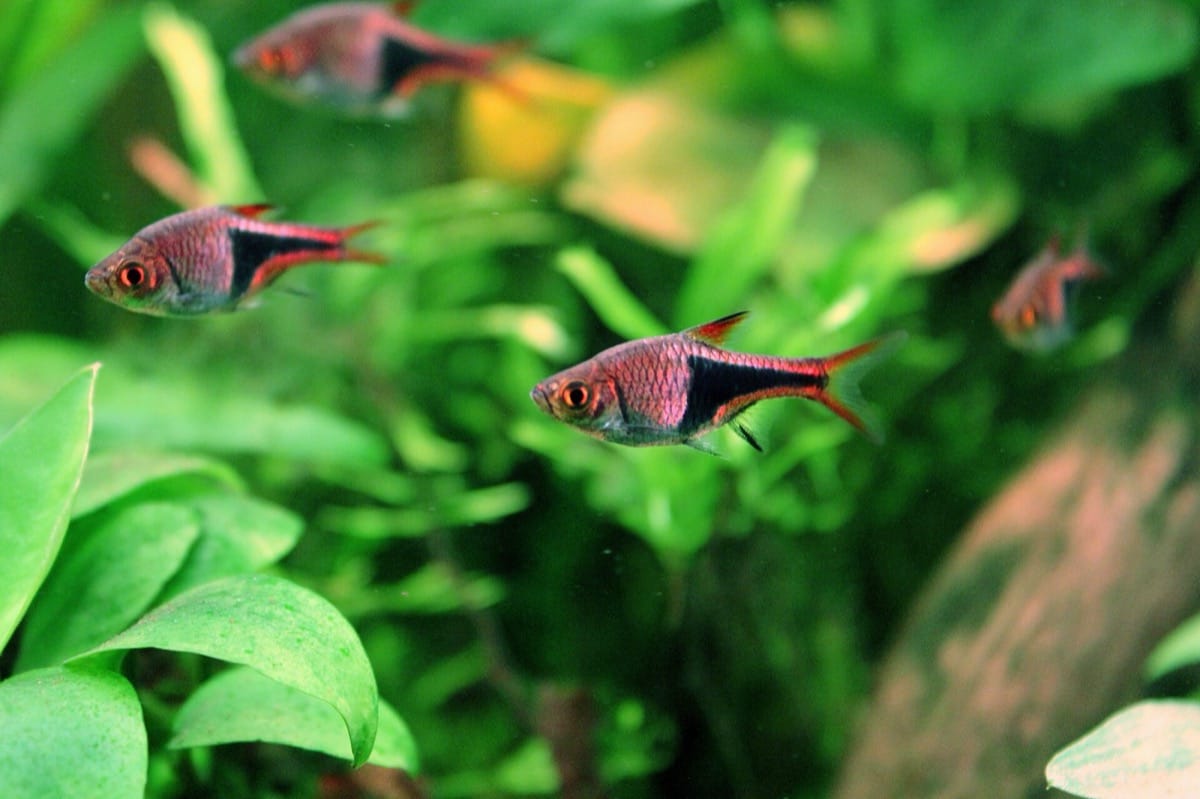
- 22–27°C
- pH 6–7.5
- 60 L+
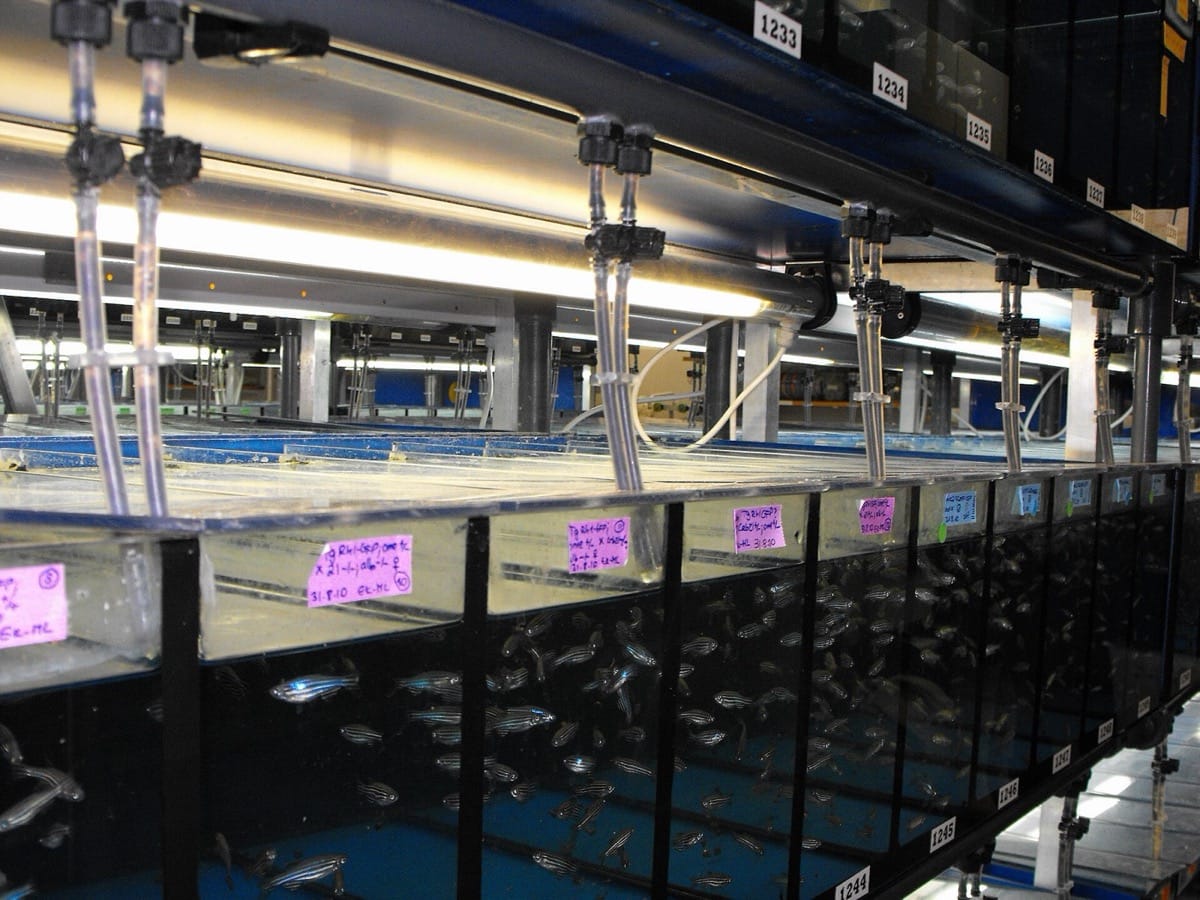
- 18–26°C
- pH 6.5–8
- 60 L+
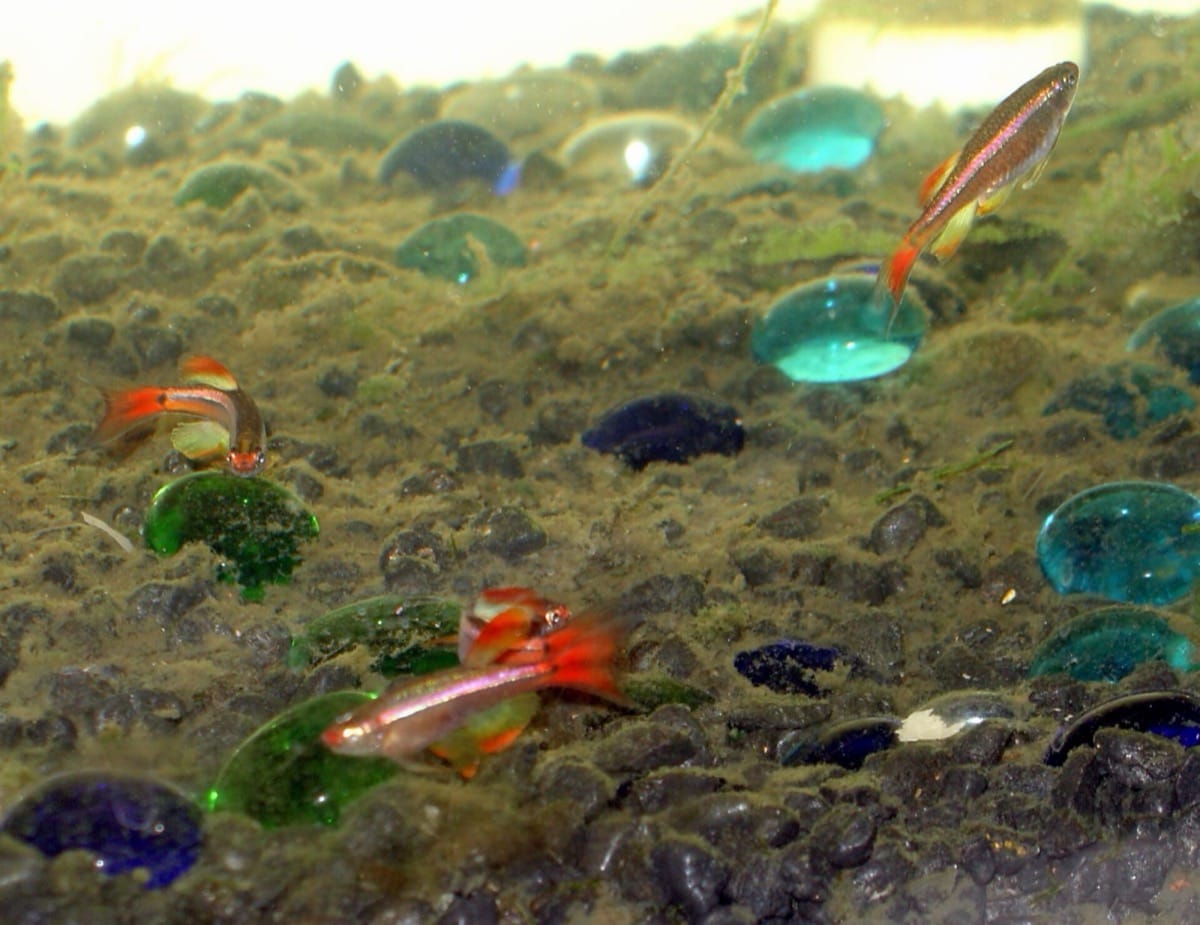
- 16–24°C
- pH 6–8
- 50 L+
Compare at a glance
| Parameters | Odessa barb | Harlequin rasbora | Zebra danio | White cloud mountain minnow |
|---|---|---|---|---|
| Parameters | ||||
| Temp | 20–26 °C | 22–27 °C | 18–26 °C | 16–24 °C |
| pH | 6.5–7.5 | 6–7.5 | 6.5–8 | 6–8 |
| GH | 4–15 °dGH | 2–12 °dGH | 4–20 °dGH | 4–18 °dGH |
| Min. tank | 60 L | 60 L | 60 L | 50 L |
| Size | 5 cm | 5 cm | 5 cm | 4 cm |
| Diet | Omnivore | Omnivore | Omnivore | Omnivore |
| Temperament | Peaceful | Peaceful | Peaceful | Peaceful |
| Difficulty | Beginner | Beginner | Beginner | Beginner |
Care guides
New to the words? See the aquarium glossary.
Sources and research notes
Parameters are typical ranges for the species in home aquariums and vary with the individual fish and the water you use.