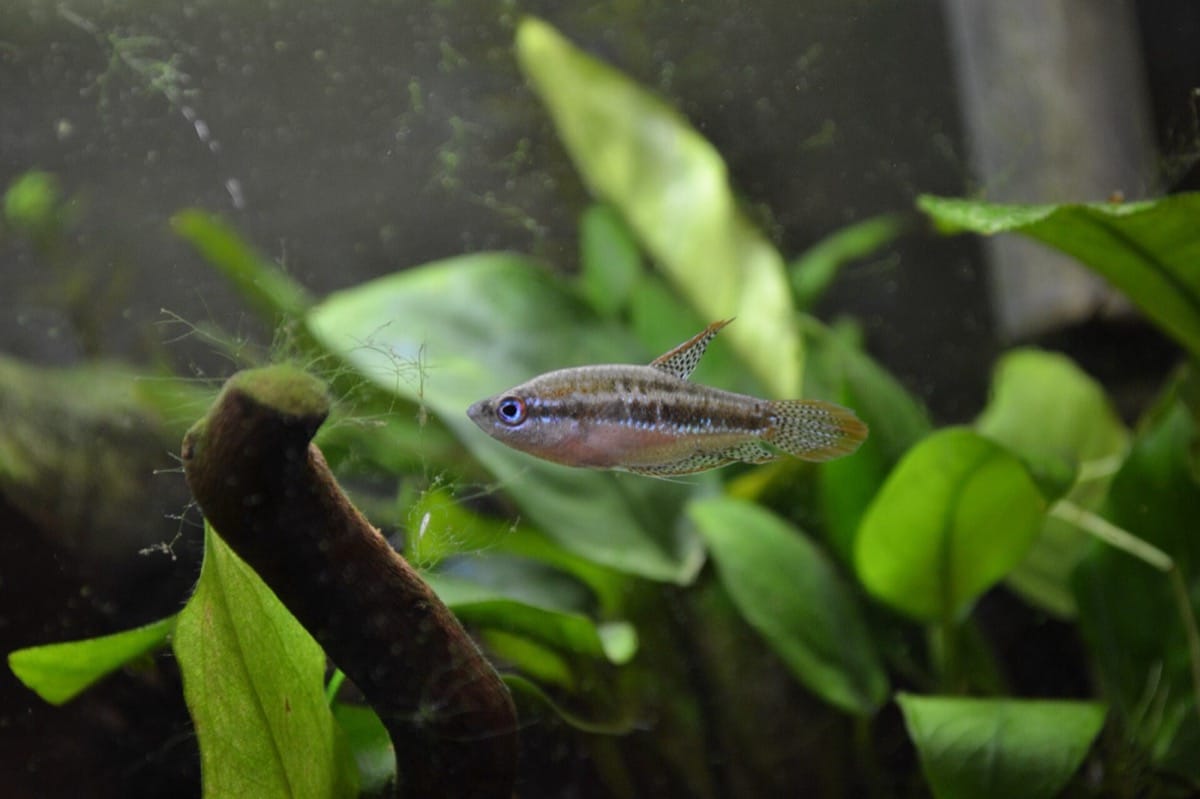
A tiny gourami that 'croaks' and suits a small, densely planted tank.
- Temperature24–28 °C
- pH6–7.5
- Minimum tank30 L
- DifficultyIntermediate
| Food | Micro-pellets, daphnia |
|---|---|
| Feeding | 1–2 tiny feeds a day |
| Water change | 20% weekly |
Behaviour and habits
The sparkling gourami is a tiny, secretive labyrinth fish that makes an audible croak, most often in the evening and around spawning. It is peaceful but shy, staying close to dense plants and cover, and it only becomes relaxed and visible when kept in a small group in a well-planted tank. Its shimmering blue eye spots and cryptic behaviour make it a rewarding little fish for a quiet, planted setup.
What to feed, and how often
It is a micro-predator: tiny meaty foods such as daphnia, baby brineshrimp and micro-pellets. Feed one or two tiny meals a day, keeping the food small for its mouth, and make sure it is not out-competed by larger or faster fish.
Water changes and maintenance
Change about 20% weekly in soft, warm water, matched gently. It dislikes hard water and sudden changes, so stability matters more than volume, and it does best in a mature, planted tank.
Care and how easy it is
Not a fish for a bare tank: it needs dense plants, soft water and a quiet, planted setup, and a small group to feel secure.
Common health problems
Sensitive to poor water; can suffer bacterial and parasitic problems when stressed.
If it gets sick
Keep the water soft, warm and stable, feed consistently, and isolate and treat early if an infection shows.
Good tank mates
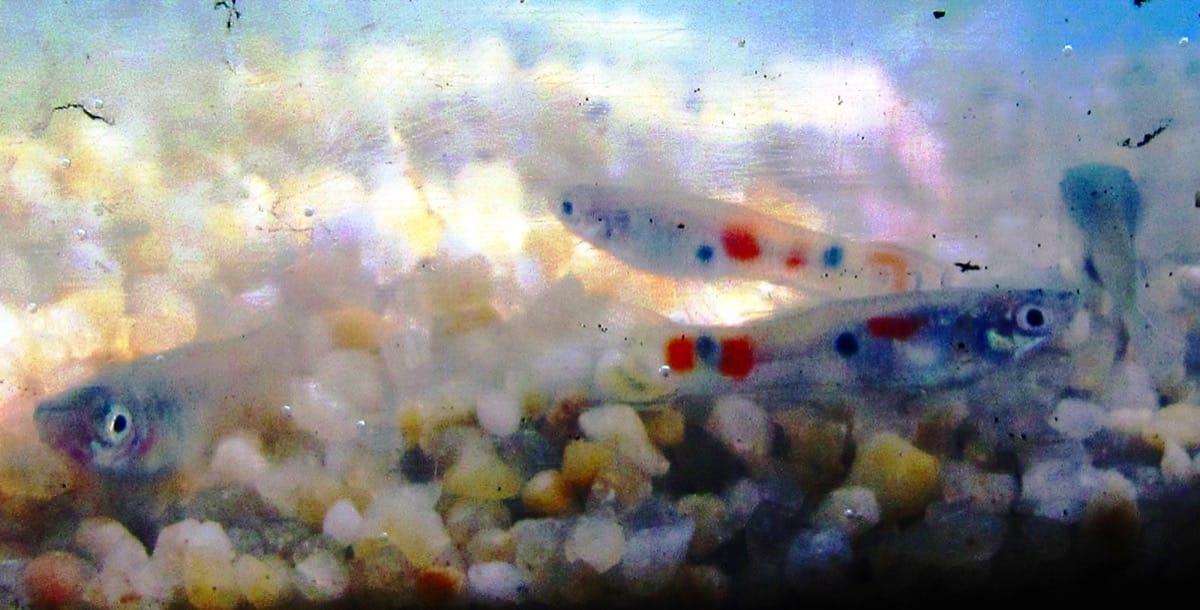
- 22-26 C
- pH 7.0-8.5
- 60 L+; 60 x 30 cm base
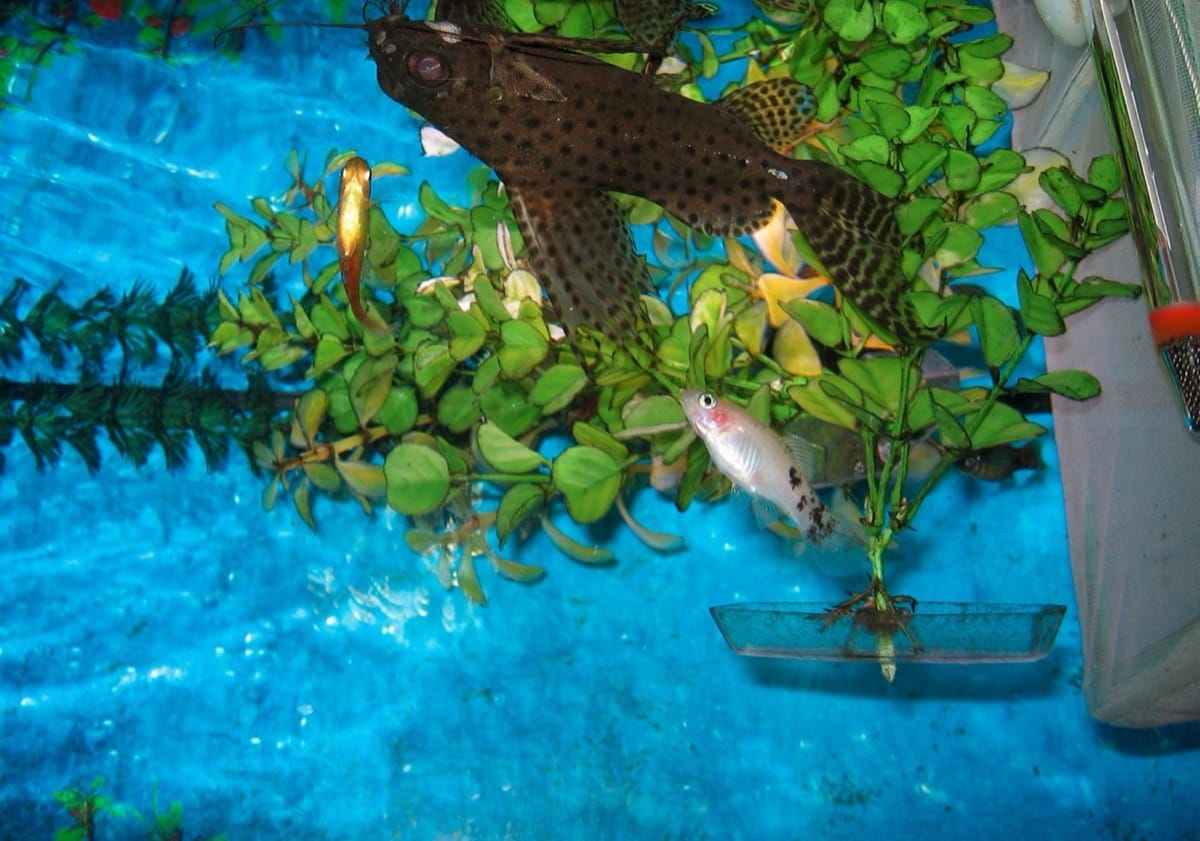
- 20–26°C
- pH 7–8.2
- 50 L+
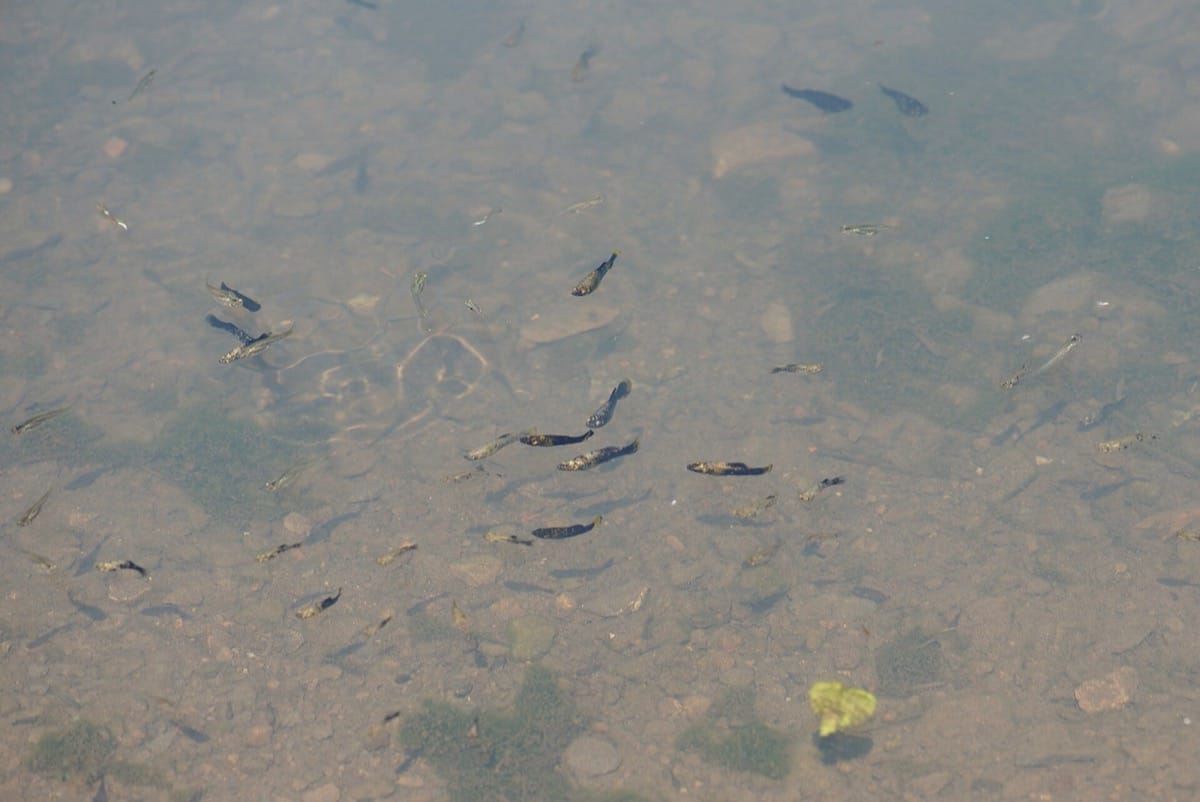
- 22–28°C
- pH 7–8.5
- 70 L+
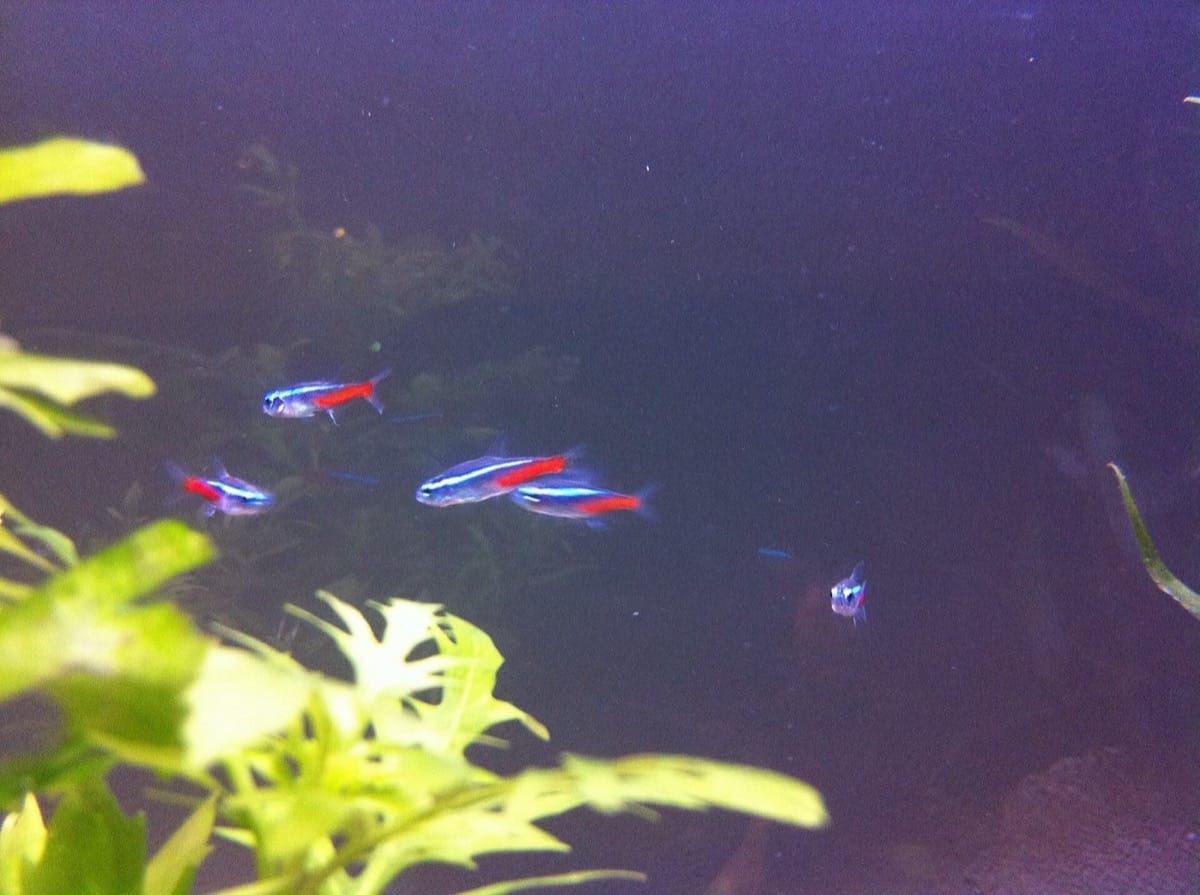
- 21-25 C
- pH 6.0-7.5
- 60 L+; 60 x 30 cm base
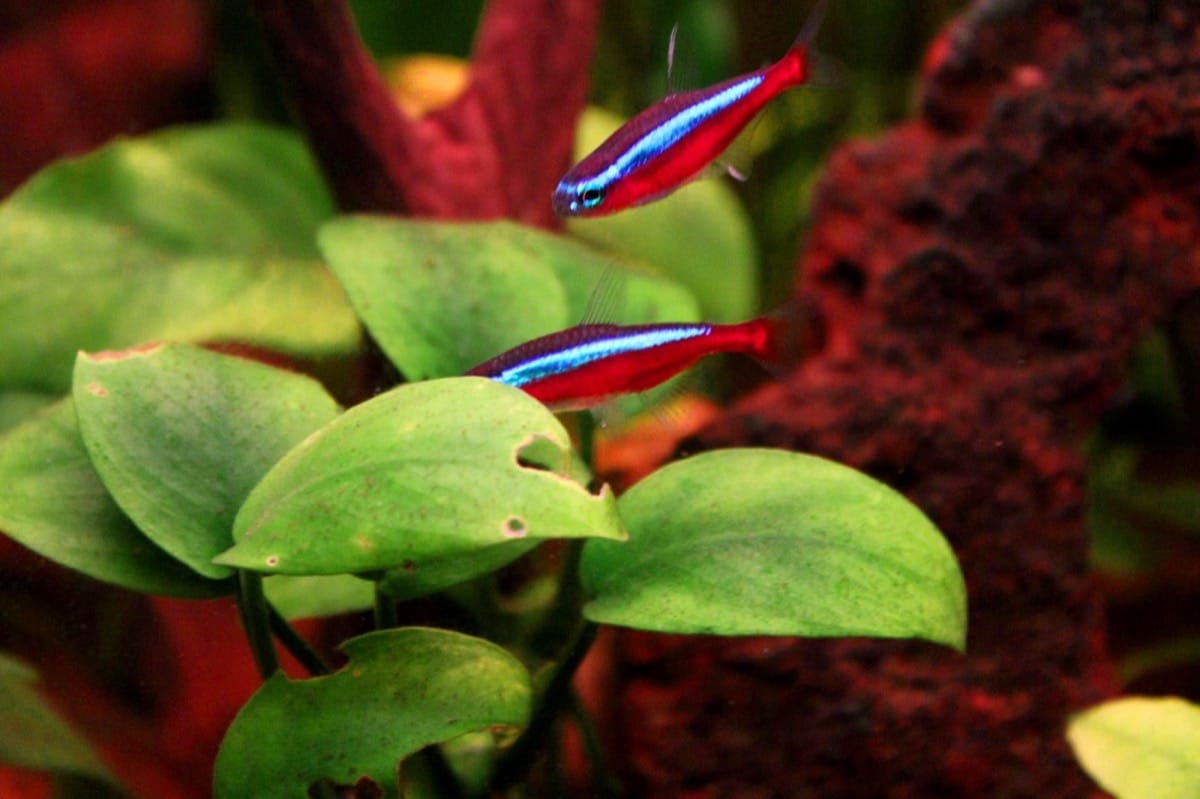
- 23–28°C
- pH 5–6.8
- 60 L+
Best avoided with
Similar species
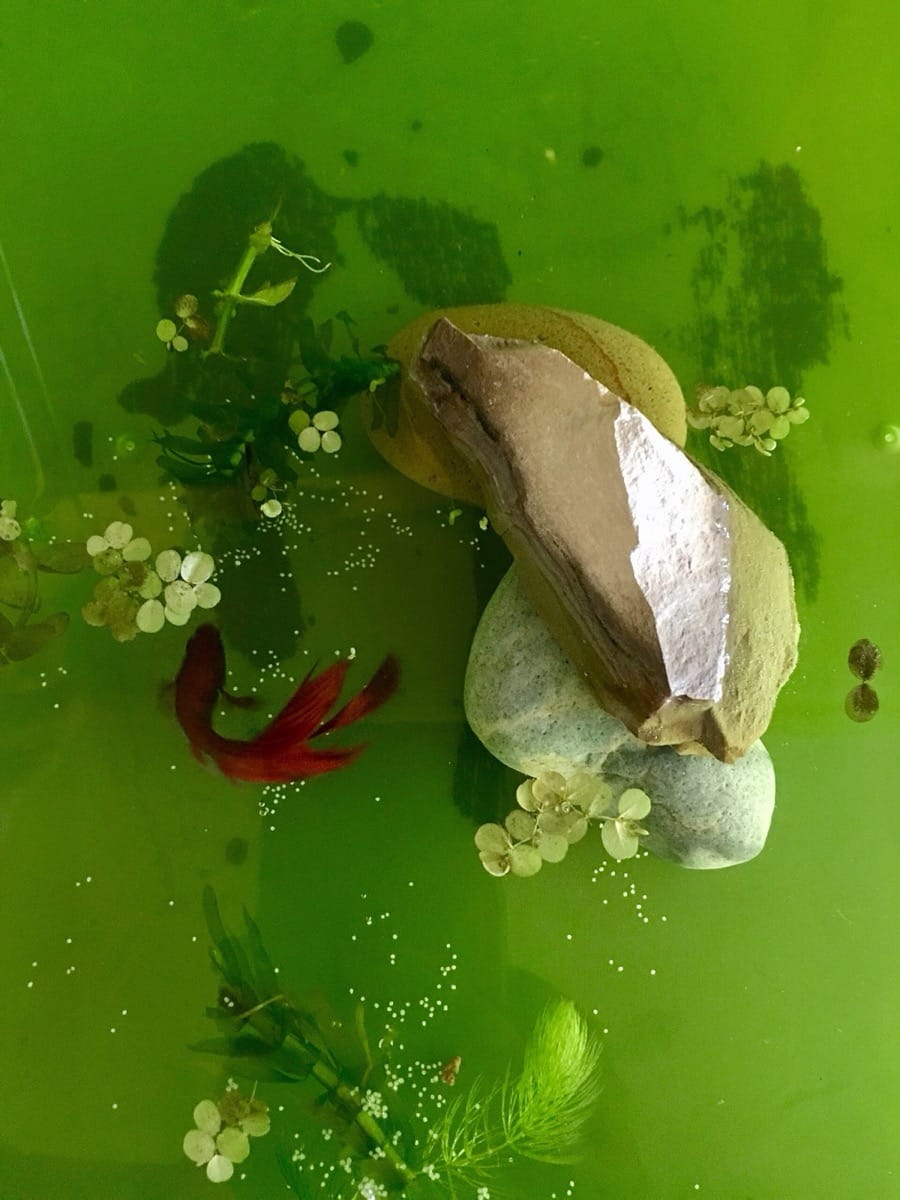
- 24-26 C
- pH 6.5-7.5
- 40 L+; 45 x 30 cm base
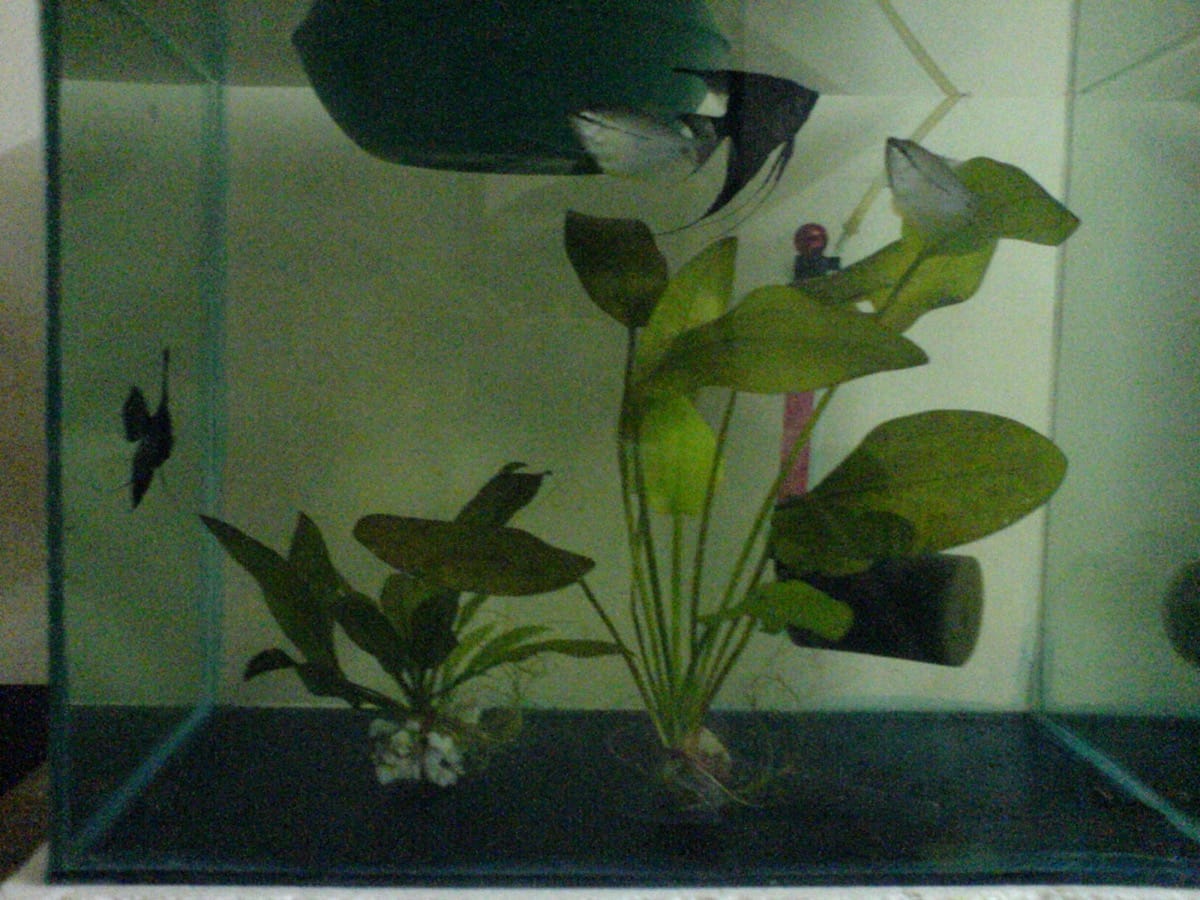
- 24–28°C
- pH 6.5–8
- 90 L+
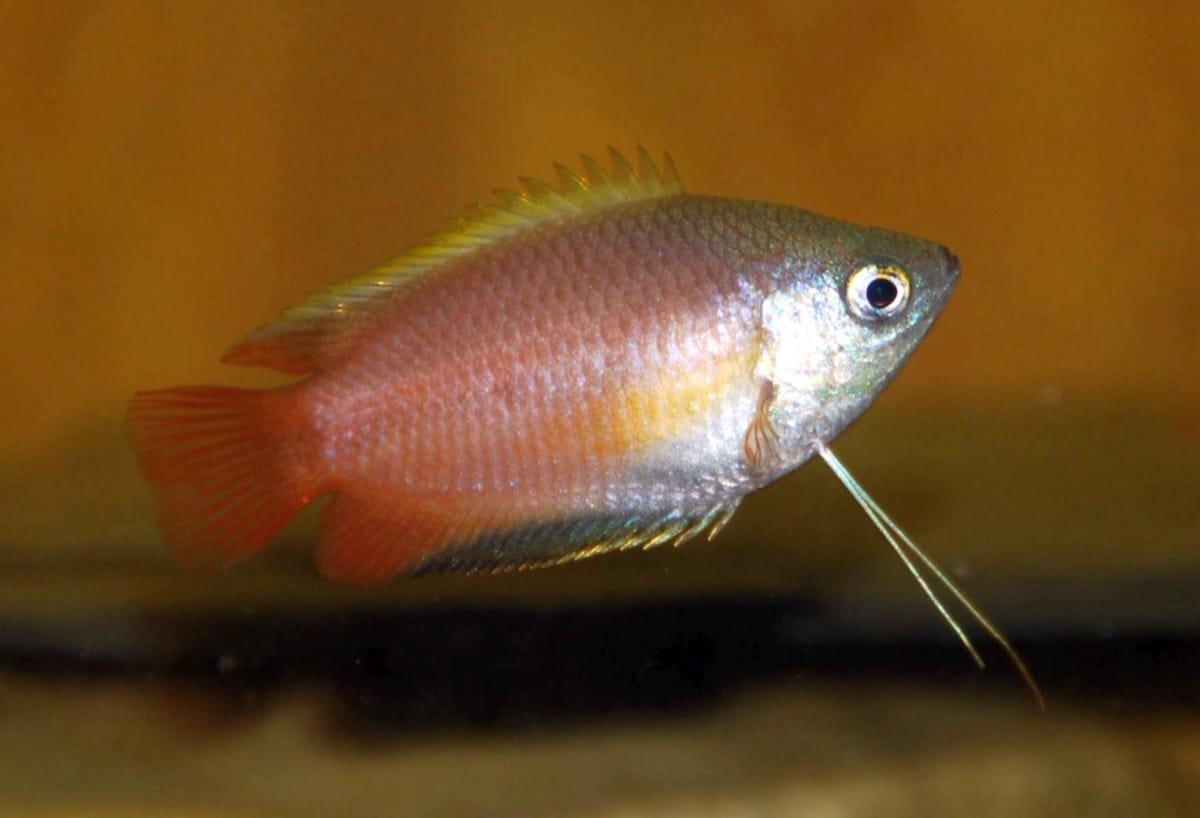
- 22–28°C
- pH 6–7.5
- 50 L+
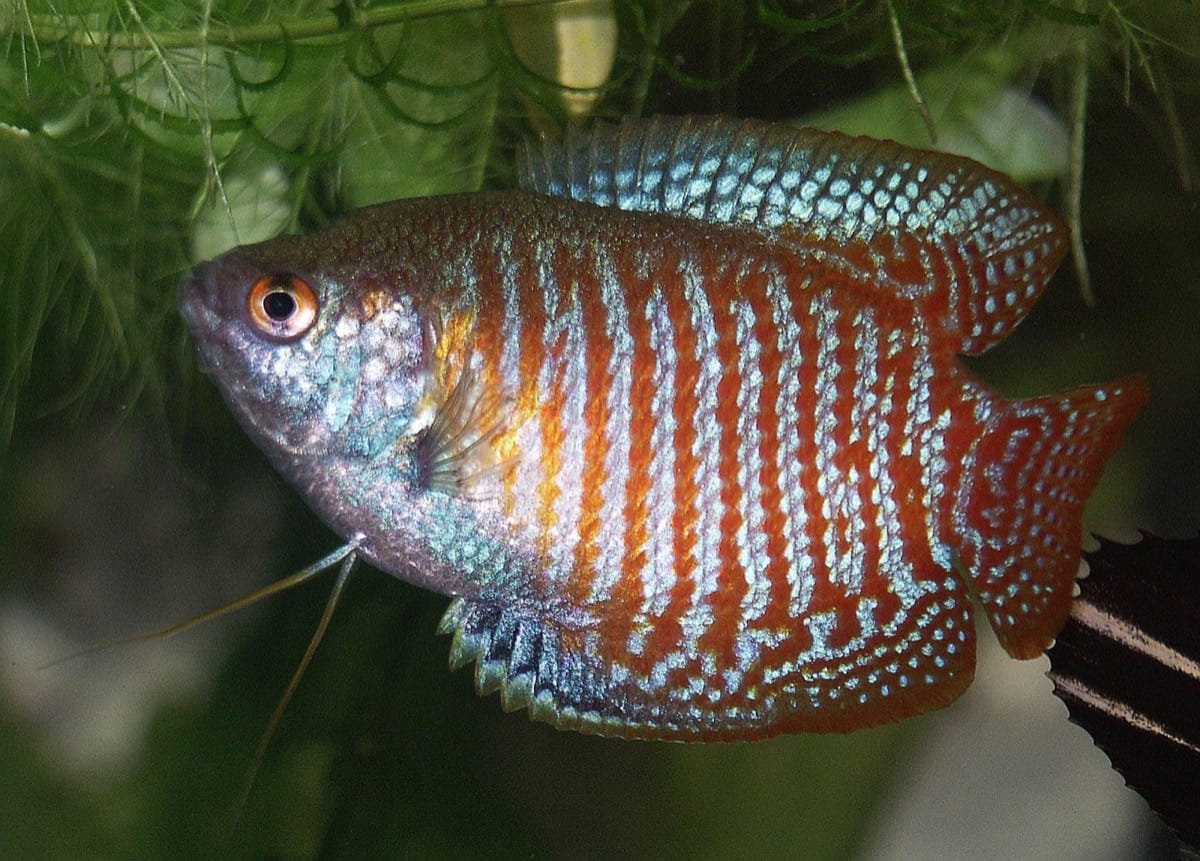
- 22-27 C
- pH 6.0-7.5
- 60 L or more; at least 60 x 30 cm base for one
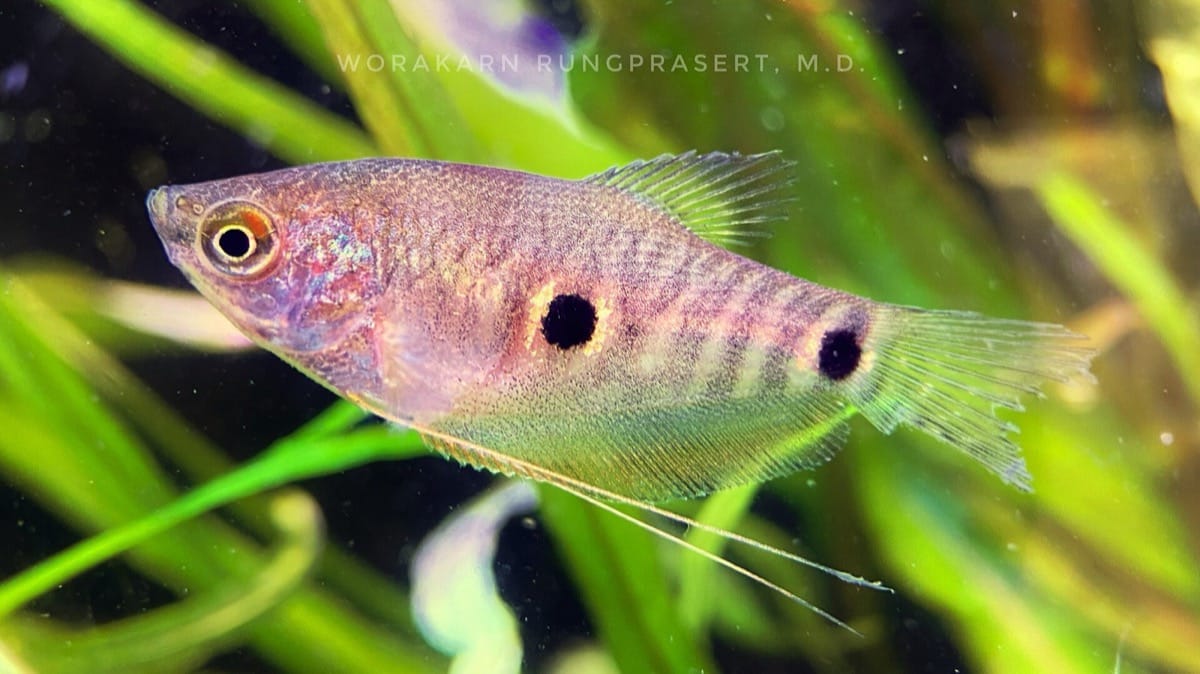
- 23–28°C
- pH 6–8
- 100 L+
Compare at a glance
| Parameters | Sparkling gourami | Betta | Pearl gourami | Honey gourami |
|---|---|---|---|---|
| Parameters | ||||
| Temp | 24–28 °C | 24–28 °C | 24–28 °C | 22–28 °C |
| pH | 6–7.5 | 6–7.5 | 6.5–8 | 6–7.5 |
| GH | 2–10 °dGH | 2–12 °dGH | 5–15 °dGH | 2–12 °dGH |
| Min. tank | 30 L | 20 L | 90 L | 50 L |
| Size | 3 cm | 6 cm | 10 cm | 5 cm |
| Diet | Carnivore | Carnivore | Omnivore | Omnivore |
| Temperament | Peaceful | Semi-aggressive | Peaceful | Peaceful |
| Difficulty | Intermediate | Beginner | Intermediate | Beginner |
Care guides
New to the words? See the aquarium glossary.
Sources and research notes
Parameters are typical ranges for the species in home aquariums and vary with the individual fish and the water you use.