How to Raise Aquarium pH Safely
Many fish keepers want to raise pH — but chasing a number is risky. Here is how pH works, when to adjust it, and the safe ways to raise it.
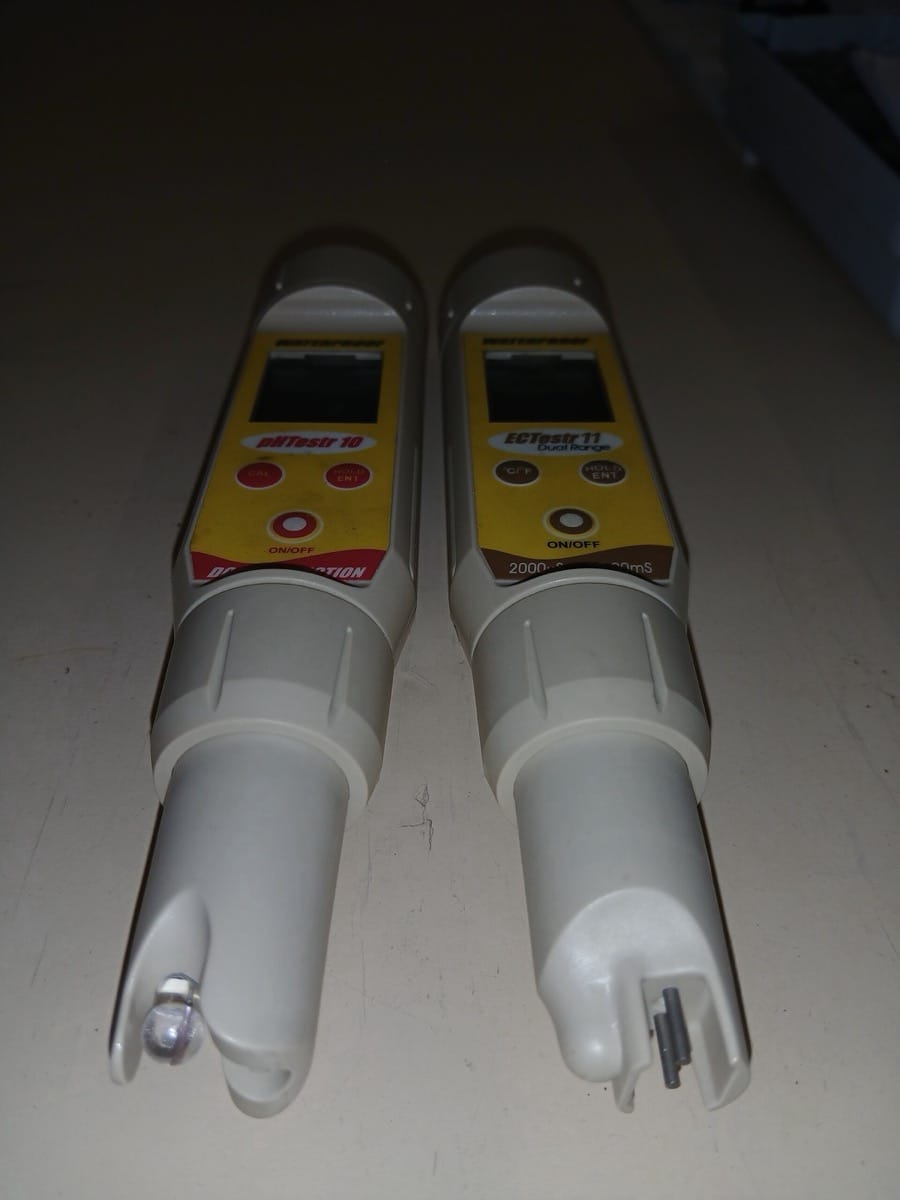
pH measures how acidic or alkaline the water is. Beginners often want to force it to a number, but a stable pH is more important than a "perfect" one. Before adjusting anything, test your tap water and choose fish that suit it.
When to raise pH
- Your tap water is naturally hard/alkaline and you keep hard-water fish (livebearers, many cichlids).
- The pH has dropped over time because KH is low (see below) and needs steadying.
- You keep species that specifically need alkaline water, such as African cichlids or mollies.
Safe ways to raise pH
- Add crushed coral, limestone or shells — they dissolve slowly and hold pH steady.
- Use a buffering substrate such as aragonite sand for hard-water tanks.
- Half-strength aquarium salt helps some brackish-tolerant species (mollies, some cichlids).
- Use a KH buffer to raise carbonate hardness, which in turn lifts and stabilises pH.
Why KH matters
Carbonate hardness (KH) is the water's buffering capacity: high KH holds pH steady, low KH lets it drift. If pH keeps falling, test KH — the fix is usually to raise KH, not to dose pH up. See pH, GH and KH explained.
Do it slowly
- Test pH and KH, and match the target to your fish's needs.
- Add the buffer or buffering material in small amounts.
- Change pH gradually — no more than about 0.2–0.3 per day.
- Re-test over several days and keep it steady rather than precise.
Why pH matters, and when to leave it alone
pH measures how acidic or alkaline the water is, and different fish evolved for different ranges — livebearers and Rift Lake cichlids want alkaline water, while many tetras and rasboras want it acidic. But for most community fish the exact value matters less than stability. A steady 7.4 suits fish far better than a value that swings. Before adjusting anything, test your tap water and, where you can, choose fish that already suit it rather than fighting the water.
Natural ways to raise pH
The gentlest methods don't push pH up all at once; they hold it steady. Crushed coral, limestone or shells in the tank or filter dissolve slowly and raise both pH and carbonate hardness (KH), which then buffers the water. A buffering substrate such as aragonite does the same in hard-water tanks. These are stable, forgiving options that suit keepers who want a modest, lasting lift.
Buffers and minerals
For more control, bicarbonate of soda raises KH, which in turn lifts and stabilises pH, and commercial KH buffers do much the same. The catch is precision: dose a little at a time and re-test, because raising KH too fast causes a pH jump that stresses fish. Remember that KH is the real lever — if pH keeps falling, the fix is usually to raise KH, not to add pH-up liquids.
Why not to chase a number
pH-up chemicals work but rarely hold, so pH bounces back and forth and stresses the fish more than a stable, slightly "wrong" value ever would. Change pH slowly — no more than about 0.2–0.3 per day — and aim for steady rather than exact. If your fish are healthy and the pH is stable, the temptation to adjust is usually worth resisting.
Test KH before you change anything
Before reaching for a buffer, measure KH as well as pH. KH is carbonate hardness — the water's buffering capacity — and it is the real control on pH. Water with high KH resists change, so adding small amounts of pH-up does almost nothing; water with low KH lets pH drift, which is usually the actual complaint. Raising KH lifts and steadies pH together, so work on KH rather than pH directly.
Aim for steady, not perfect
The goal is a pH your fish can rely on, not a specific number from a book. A stable 7.4 is far healthier than a value that swings between 6.5 and 8 as you chase a target. Once you have chosen fish that suit your water and made any gentle adjustment, leave the pH alone and focus on weekly water changes. Chasing precision is one of the most common beginner mistakes, and one of the easiest to avoid.
Can I use pH-up chemicals?
They work but cause swings. Natural buffers (crushed coral, aragonite) hold pH more steadily and are safer.
Is higher pH bad for fish?
Only if the fish need acidic water. Match the fish to your pH rather than making a fish fit the wrong number.
Why does my pH keep dropping?
Low KH, decaying matter or CO₂ injection. Test KH and keep up water changes.
Related guides
Tools for this guide
Sources and research notes
Guidance follows standard water-chemistry practice; stability matters more than any single pH value for most fish.
Written and edited by the Tankwise Editorial. Every guide answers one real fishkeeping question, is checked against the sources listed above, and is updated when guidance changes. We are an independent editorial desk, not veterinary or aquarium professionals — read how we research and update our guides.
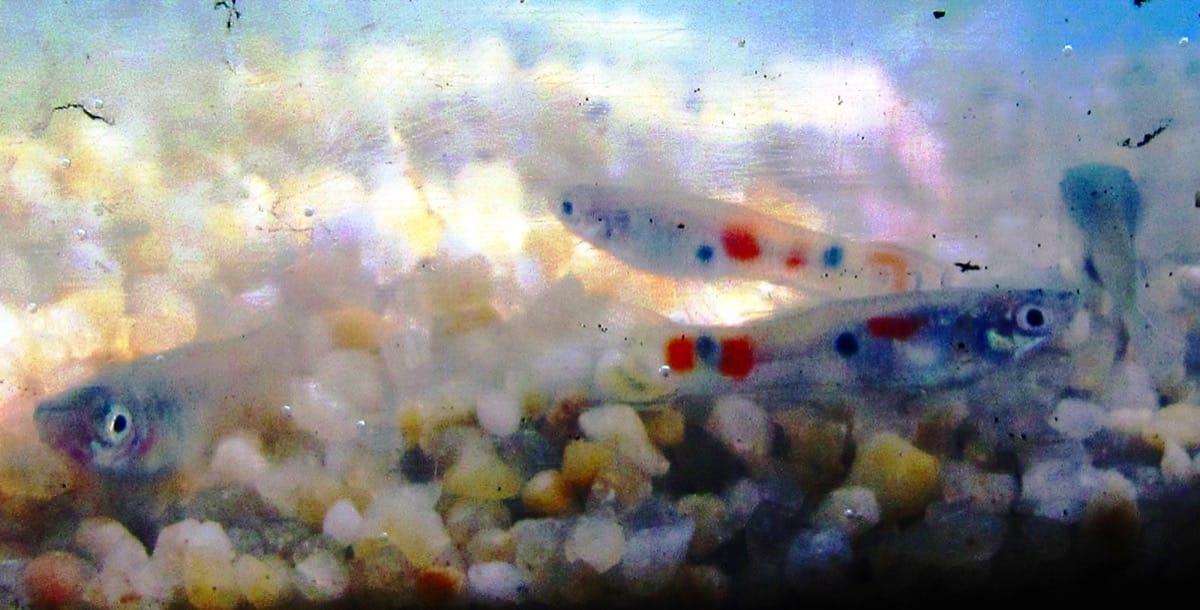
- 22-26 C
- pH 7.0-8.5
- 60 L+; 60 x 30 cm base
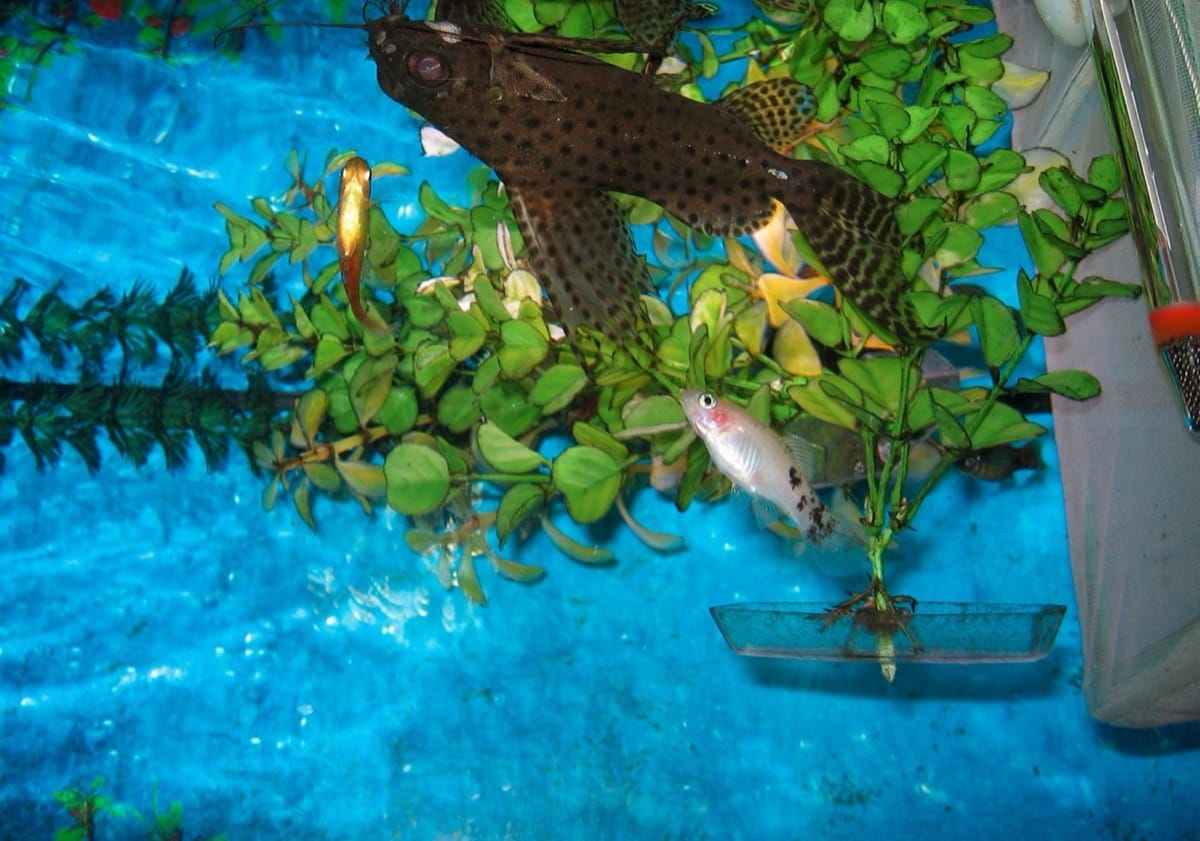
- 20–26°C
- pH 7–8.2
- 50 L+
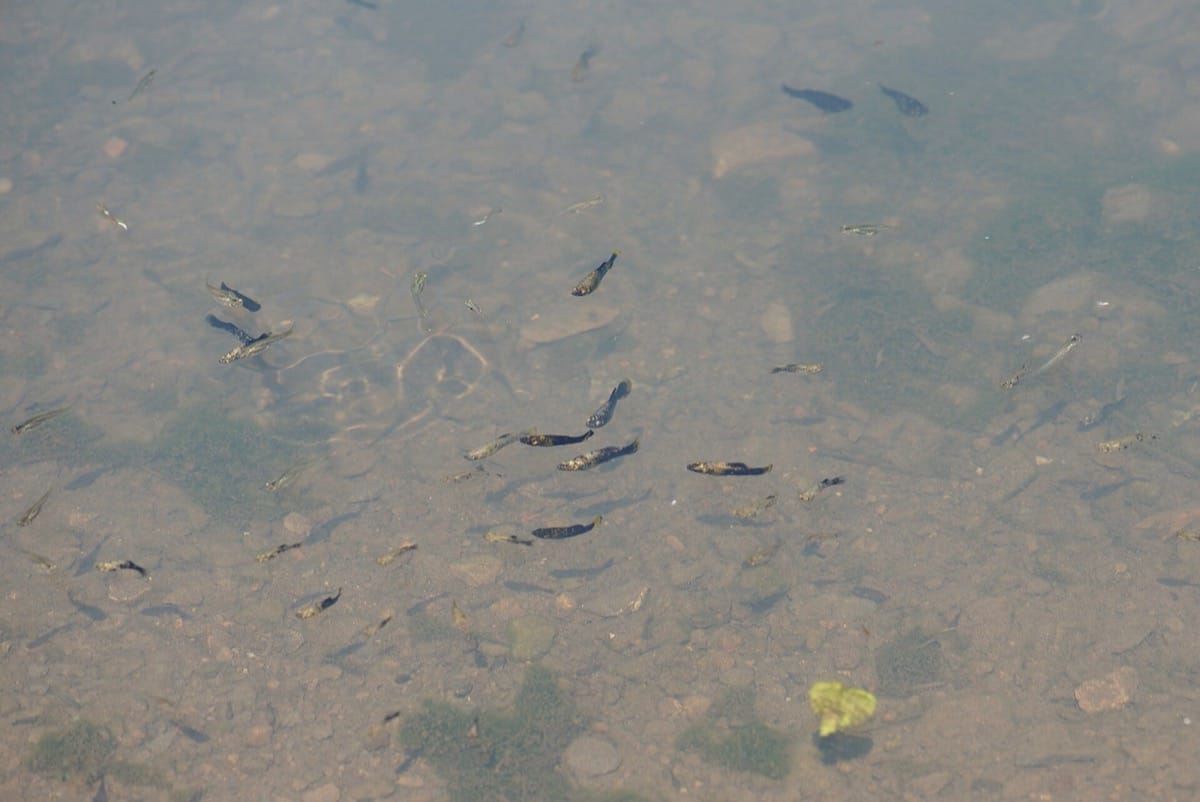
- 22–28°C
- pH 7–8.5
- 70 L+
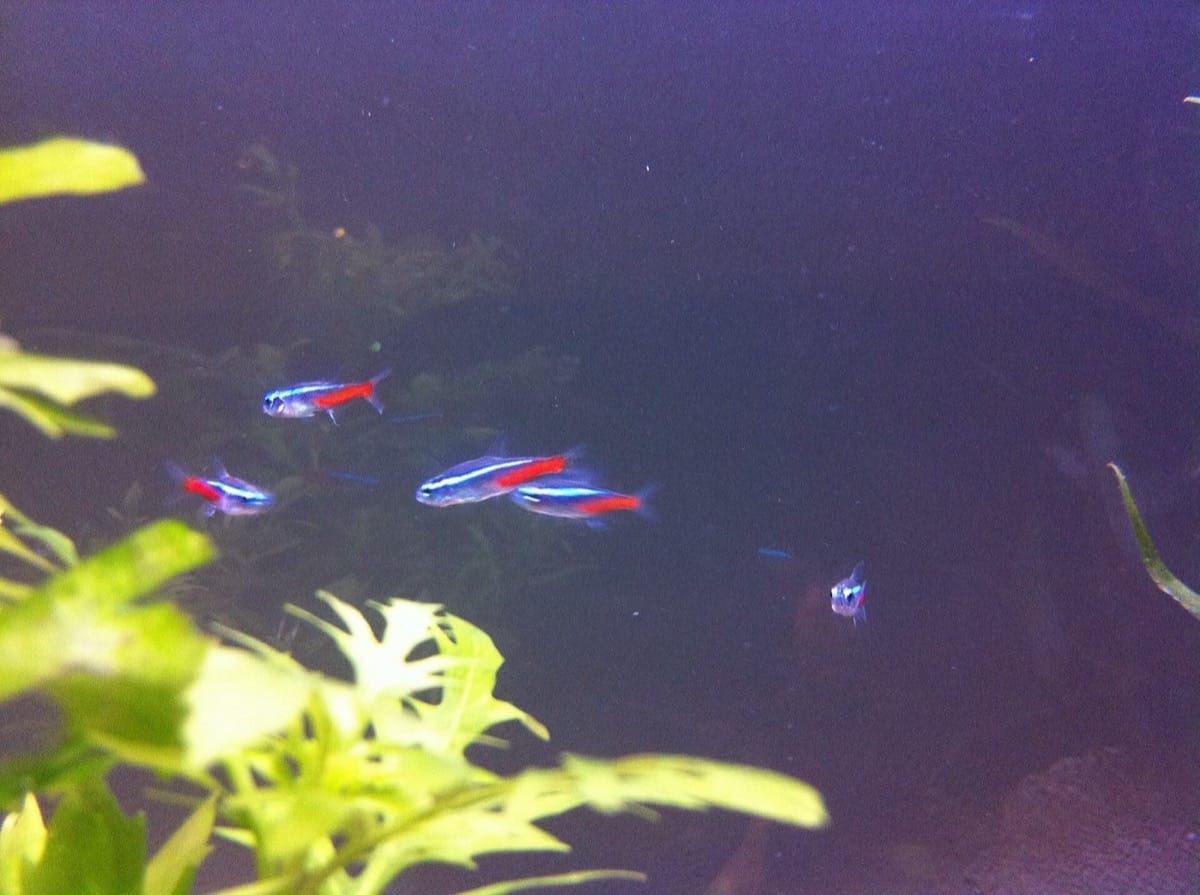
- 21-25 C
- pH 6.0-7.5
- 60 L+; 60 x 30 cm base