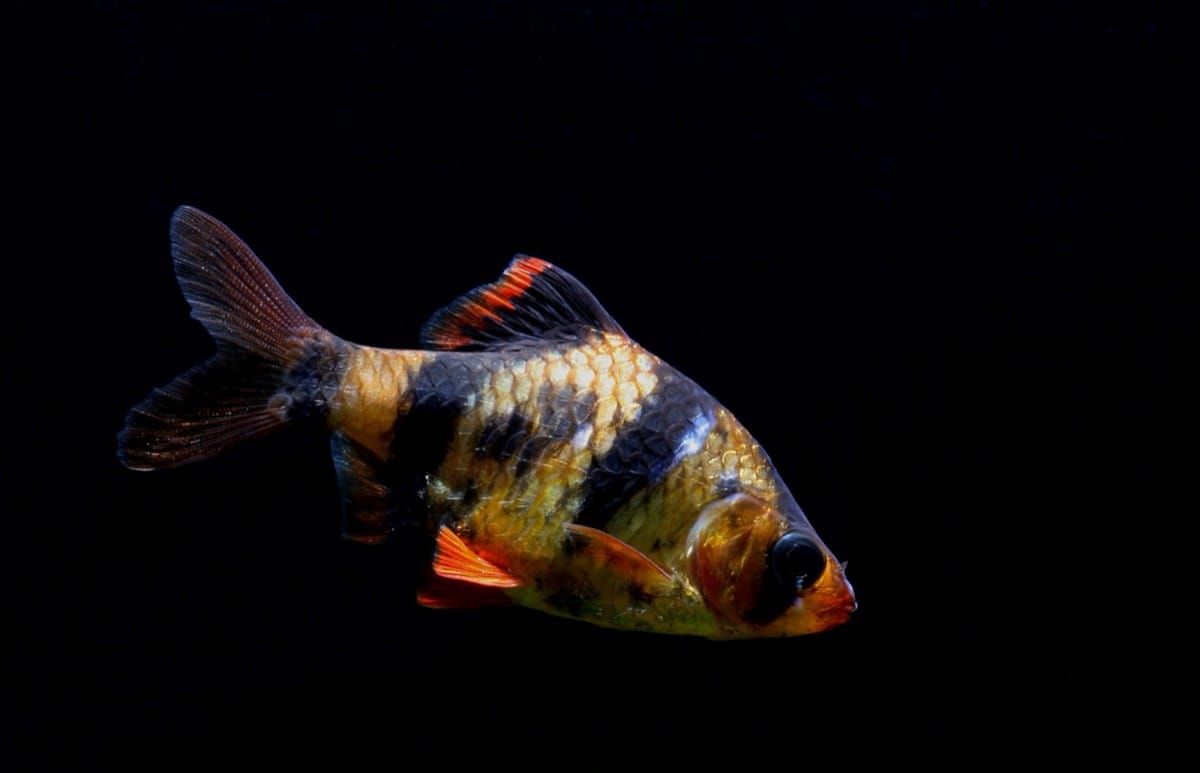
An active, eye-catching barb that is a notorious fin-nipper unless kept in a large group.
- Temperature20–26 °C
- pH6–7.5
- Minimum tank70 L
- DifficultyBeginner
| Food | Flake + frozen food |
|---|---|
| Feeding | 1–2 feeds a day |
| Water change | 25% weekly |
Behaviour and habits
The tiger barb is an active, striking shoaler and one of the most famous fin-nippers in the hobby. The nipping is really social behaviour: in a group of eight or more they chase each other harmlessly and leave tankmates alone, while in twos or threes they turn on long fins. Bold, fast and busy, they use the whole tank and look best as a large shoal in a roomy, planted setup with short-finned companions.
What to feed, and how often
Unfussy omnivores — flake, pellet and frozen foods, plus some vegetable matter. Feed once or twice a day and do not overfeed; they are greedy and the tank fouls quickly, so keep the water clean and the group large.
Water changes and maintenance
Change about 25% weekly. They are hardy and tolerate a range of water, but a steady temperature, good filtration and clean water keep the shoal healthy and the nipping social rather than aggressive.
Care and how easy it is
Hardy, but it needs a large group and short-finned, robust tankmates; avoid bettas, angelfish and guppies.
Common health problems
Prone to ich, especially after a chill or a move; otherwise robust.
If it gets sick
Quarantine new fish and treat ich early; keep the water warm and clean and the group large.
Good tank mates
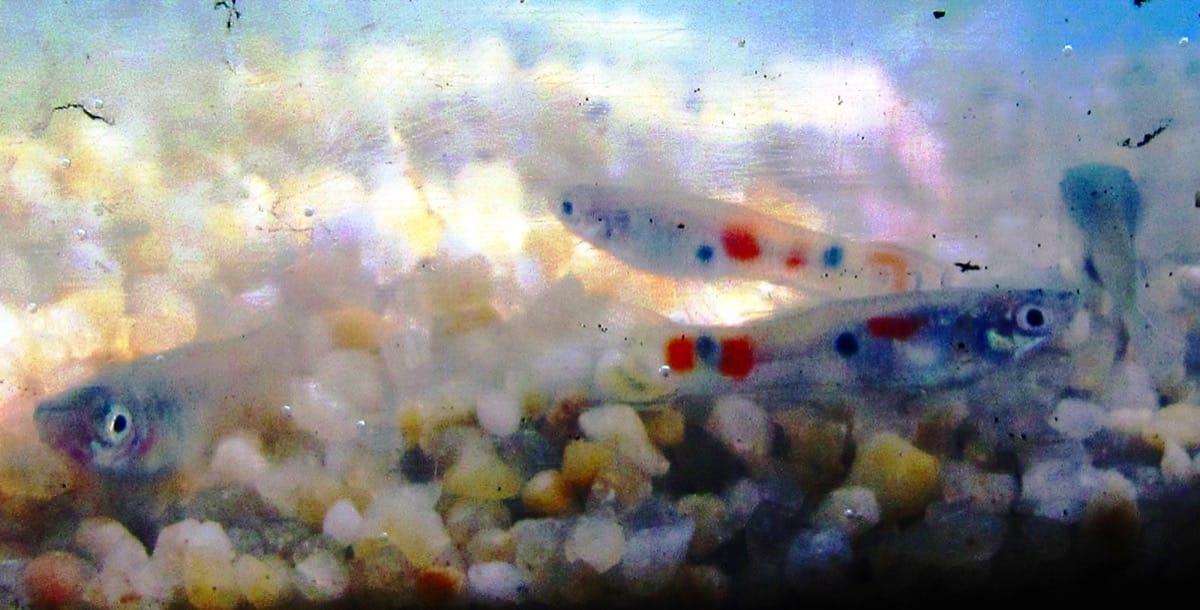
- 22-26 C
- pH 7.0-8.5
- 60 L+; 60 x 30 cm base
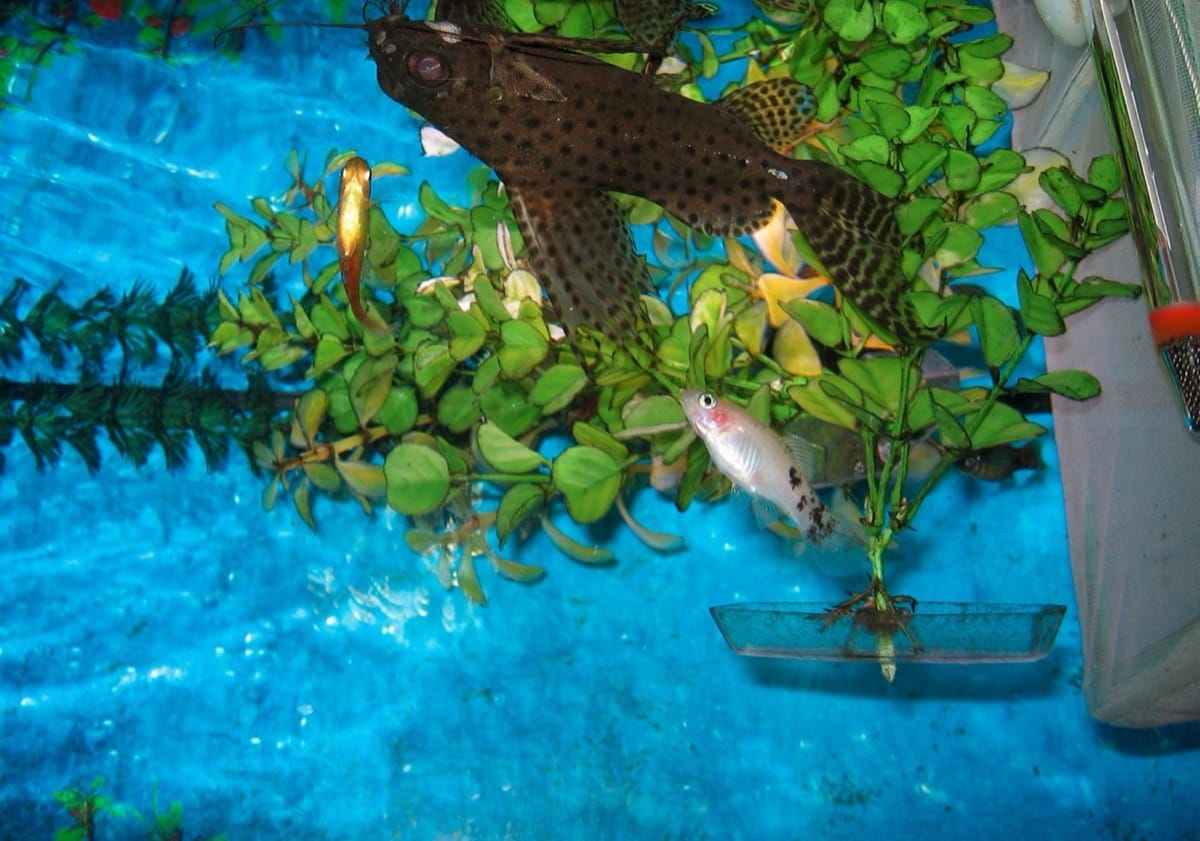
- 20–26°C
- pH 7–8.2
- 50 L+
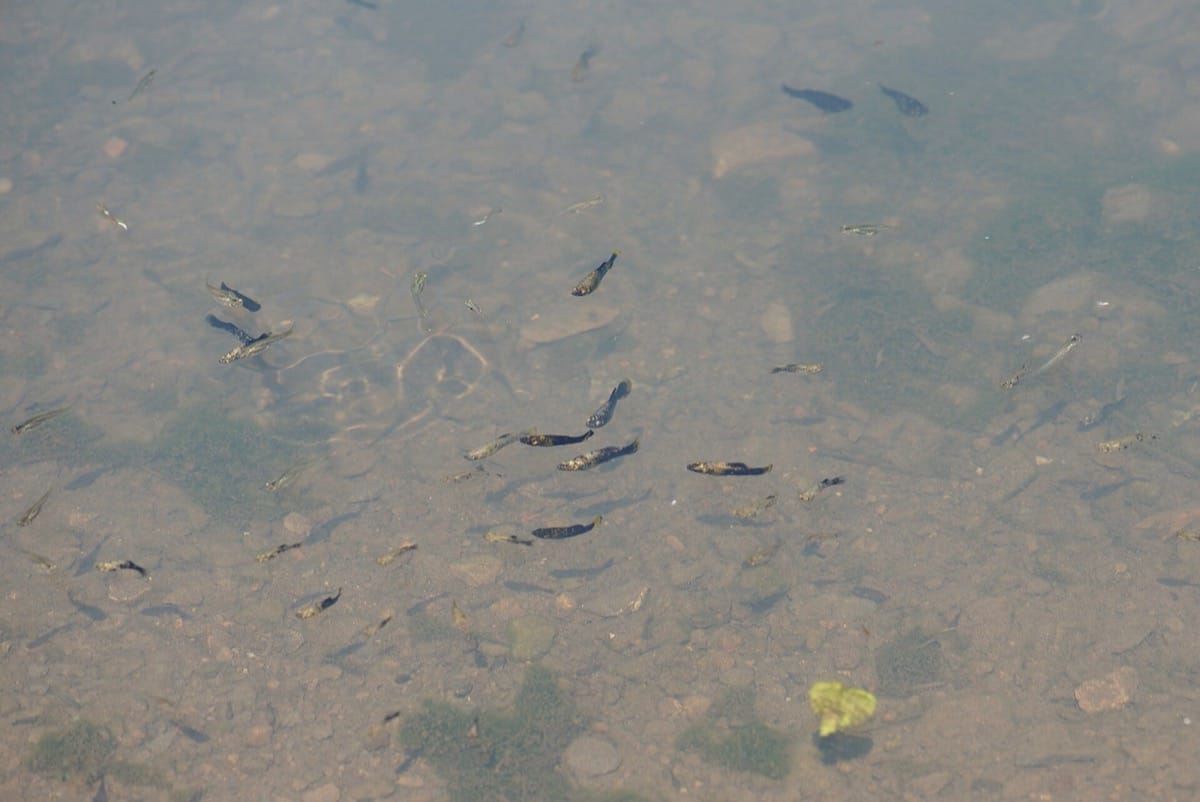
- 22–28°C
- pH 7–8.5
- 70 L+
Best avoided with
Similar species
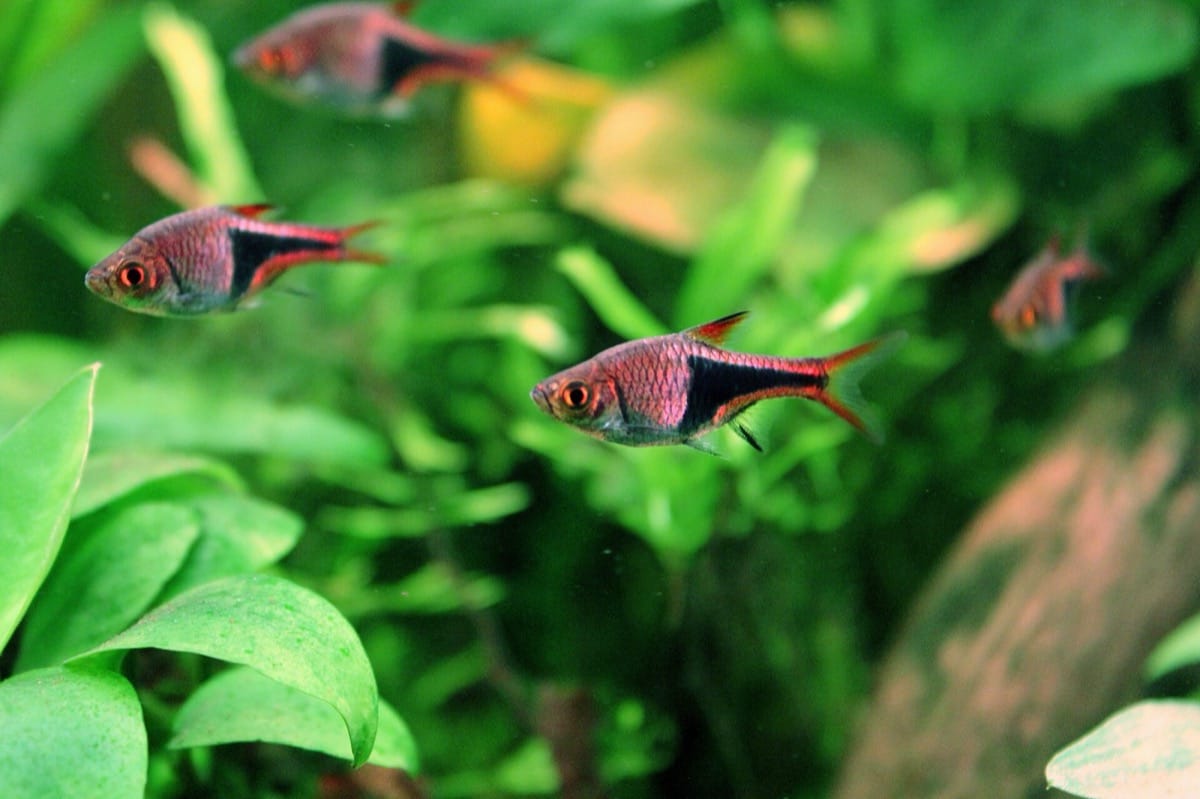
- 22–27°C
- pH 6–7.5
- 60 L+
- 18–26°C
- pH 6.5–8
- 60 L+
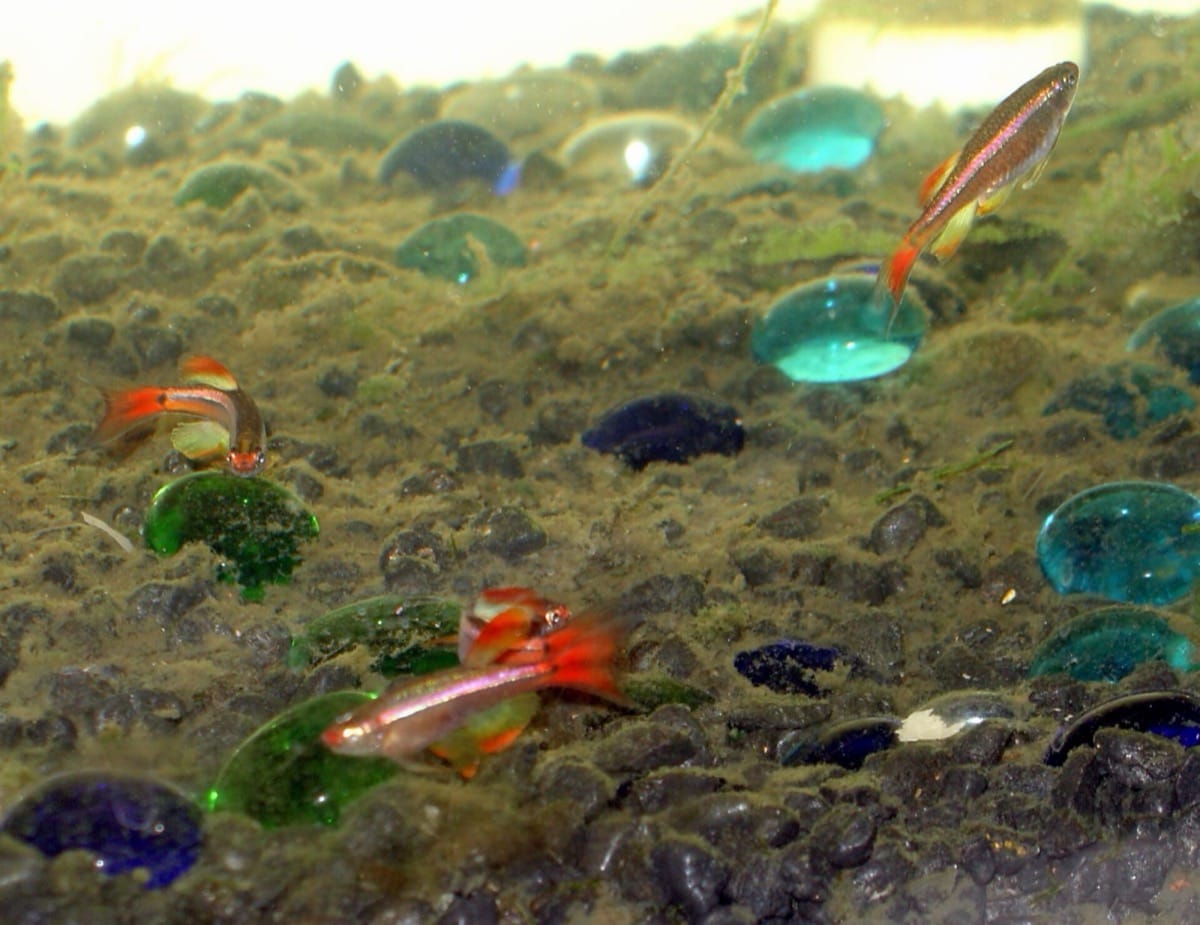
- 16–24°C
- pH 6–8
- 50 L+
Compare at a glance
| Parameters | Tiger barb | Harlequin rasbora | Zebra danio | White cloud mountain minnow |
|---|---|---|---|---|
| Parameters | ||||
| Temp | 20–26 °C | 22–27 °C | 18–26 °C | 16–24 °C |
| pH | 6–7.5 | 6–7.5 | 6.5–8 | 6–8 |
| GH | 4–15 °dGH | 2–12 °dGH | 4–20 °dGH | 4–18 °dGH |
| Min. tank | 70 L | 60 L | 60 L | 50 L |
| Size | 7 cm | 5 cm | 5 cm | 4 cm |
| Diet | Omnivore | Omnivore | Omnivore | Omnivore |
| Temperament | Semi-aggressive | Peaceful | Peaceful | Peaceful |
| Difficulty | Beginner | Beginner | Beginner | Beginner |
Care guides
New to the words? See the aquarium glossary.
Sources and research notes
Parameters are typical ranges for the species in home aquariums and vary with the individual fish and the water you use.