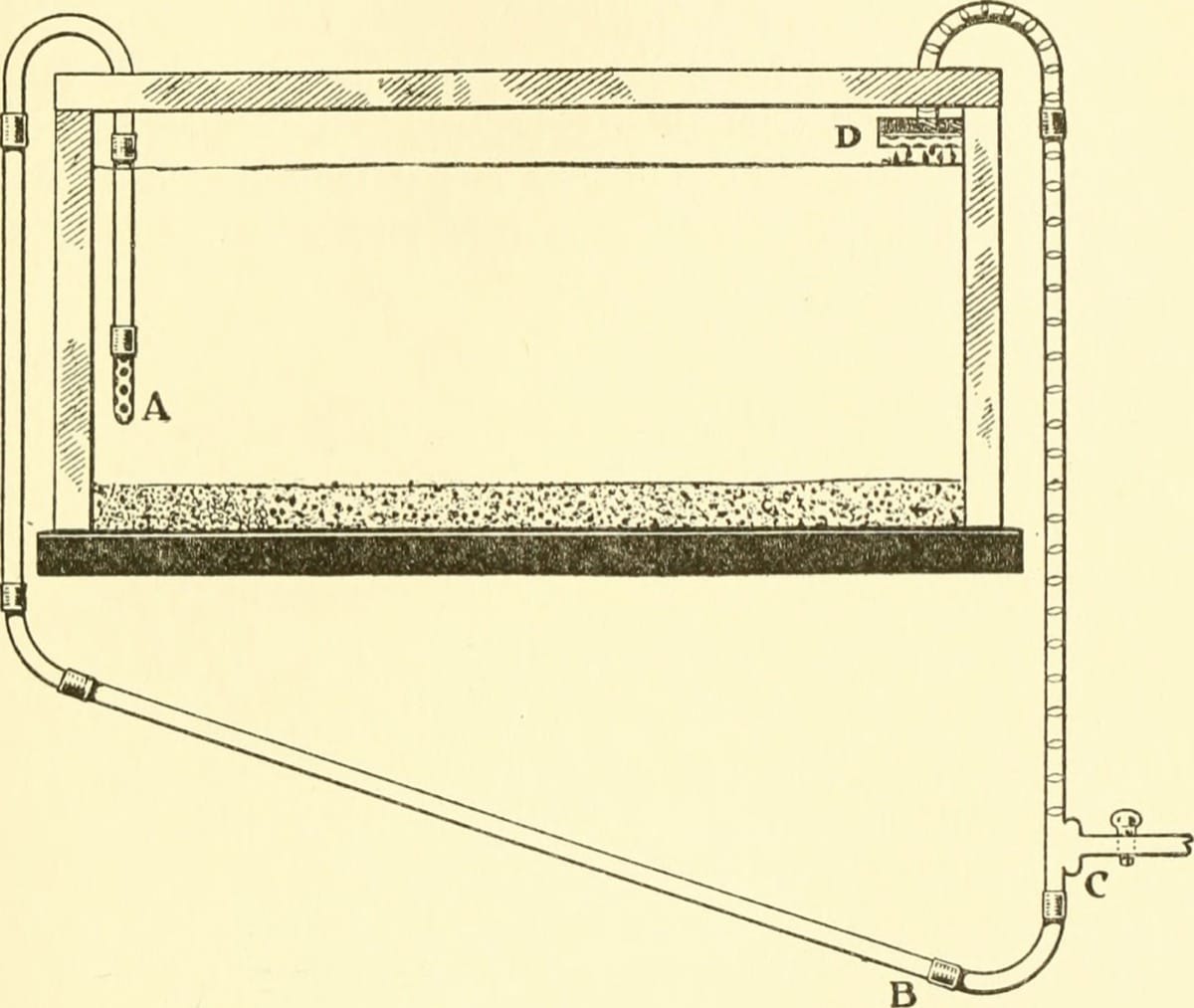
How to Cycle a Tank Faster
Cycling takes weeks and you cannot truly rush it — but you can speed it up safely. These methods shorten the wait without cutting corners.
Cycling — growing the filter bacteria that process waste — usually takes two to six weeks. You cannot skip it, but you can give it a head start so the tank is ready sooner, and safely.
What actually speeds it up
- Seed with mature media. A piece of sponge or ceramic from an established tank carries the bacteria you need — the single biggest shortcut.
- Keep it warm. Bacteria multiply faster around 25–28 °C.
- Keep the filter running. Bacteria need flow and oxygen; never switch it off.
- Feed the cycle. Add a source of ammonia (a dedicated product or a pinch of food) so the bacteria have something to grow on.
- Add a bacterial starter. Bottled products can help, especially alongside seeding.
A faster method
- Set up the tank, filter and heater, and get the temperature to about 26 °C.
- Squeeze mature filter media into the new filter, or move some media across.
- Add an ammonia source to about 2–3 ppm.
- Test daily; top up ammonia as it falls.
- When ammonia and nitrite both read zero within a day, do a large water change and add fish slowly.
Do not do this
- Do not cycle with fish if you can avoid it — it exposes them to ammonia and nitrite.
- Do not overfeed a new tank to "speed it up" — it just spikes waste.
- Do not add lots of fish at once when it finishes; the bacteria need to catch up gradually.
What cycling really is
Cycling is growing two colonies of bacteria in the filter: one that turns toxic ammonia into nitrite, and another that turns nitrite into much less harmful nitrate. Until both colonies establish, fish waste has nowhere to go and the water turns toxic. From a standing start it takes two to six weeks. You cannot skip it, but you can give it a head start.
The biggest shortcut: seed with mature media
The most effective speed-up is to borrow bacteria from an established tank. A piece of sponge or ceramic media from a healthy filter, squeezed into or moved into the new filter, brings a ready-made colony and can cut weeks off the wait. Even a squeeze of dirty filter water helps. This is the difference between cycling "from scratch" and cycling "seeded", and it is free.
Keep it warm and running
Bacteria multiply faster in warmth. Holding a new tank at around 25–28°C during cycling speeds the process, and keeping the filter running continuously gives the bacteria oxygen and flow. Never switch the filter off to save power; a stalled filter is a stalled cycle.
Feed the cycle
The bacteria need a source of ammonia to grow on. Add a dedicated aquarium ammonia product to around 2–3 ppm and top it up as it falls, testing daily until both ammonia and nitrite read zero within a day. A pinch of fish food also works, decaying into ammonia, though it is less precise. Bottled bacterial starters can help alongside seeding, but they are not a substitute for patience.
What slows cycling (and what to avoid)
- Cold water — bacteria are sluggish below the low 20s.
- A stopped filter — no oxygen, no growth.
- Over-cleaning media that is still cycling.
- Adding fish too early, which spikes ammonia and stresses both fish and cycle.
A realistic timeline
Seeded and warm, a tank can cycle in a week or two. From scratch and cool, expect four to six weeks. When ammonia and nitrite both read zero within a day of adding ammonia, and nitrate is rising, the tank is done — do a large water change to lower nitrate, then add your first fish slowly.
Reading the finish line
Know exactly when you are done, so you neither add fish too early nor wait needlessly. Dose ammonia to around 2 ppm, and test each day. When the reading falls to zero within 24 hours and nitrite also stays at zero without climbing, both bacterial colonies are working. Confirm with a nitrate reading, which should be rising, then do a large water change to reset nitrate to a low level. Add your first fish slowly, in two or three batches over a few weeks, so the bacteria have time to grow with the load instead of being overwhelmed by a crowd of new fish all at once.
Can I cycle a tank in a day?
Only by using a large amount of mature media. Realistically, expect at least a week even when seeded.
Are bottled bacteria worth it?
They can help, especially combined with seeding, but they are not a substitute for patience.
What if ammonia never drops?
Check the temperature, flow and that the filter is running; a stalled cycle often needs warmth and oxygen.
Related guides
Tools for this guide
Sources and research notes
Cycling guidance follows standard fishkeeping practice; seeding with mature media and warmth are the reliable ways to shorten it.
Written and edited by the Tankwise Editorial. Every guide answers one real fishkeeping question, is checked against the sources listed above, and is updated when guidance changes. We are an independent editorial desk, not veterinary or aquarium professionals — read how we research and update our guides.
- 22-26 C
- pH 7.0-8.5
- 60 L+; 60 x 30 cm base
- 20–26°C
- pH 7–8.2
- 50 L+
- 22–28°C
- pH 7–8.5
- 70 L+
- 21-25 C
- pH 6.0-7.5
- 60 L+; 60 x 30 cm base