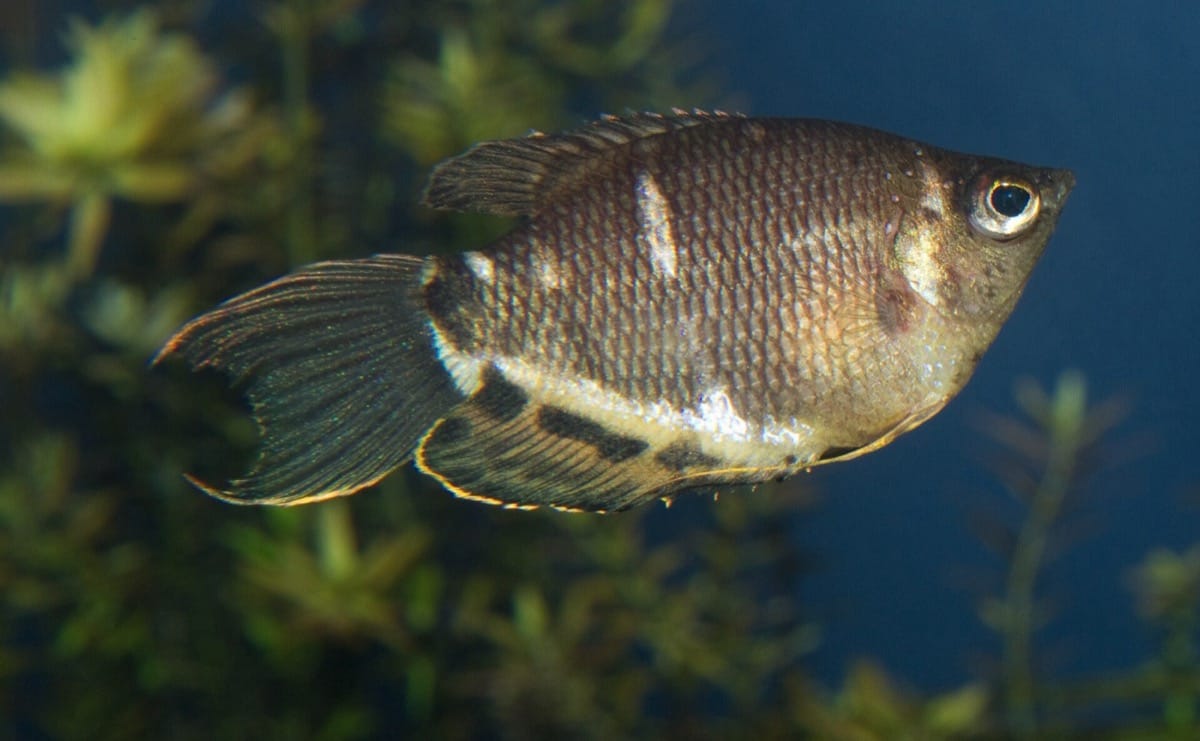
A beautiful chocolate-brown gourami for very soft, acidic blackwater — a challenging species.
- Temperature24–28 °C
- pH4.5–6.5
- Minimum tank60 L
- DifficultyAdvanced
Behaviour and habits
The chocolate gourami is a shy, delicate labyrinth fish with rich chocolate-brown and cream vertical bars, and it is one of the more challenging gouramis to keep. It needs very soft, acidic, tannin-stained water, a quiet, densely planted tank and calm company, and it is far happier in a small group than alone. It is slow, peaceful and easily stressed, so it is a fish for experienced keepers with soft-water setups.
What to feed, and how often
It is a micro-predator that wants small live or frozen foods — daphnia, baby brineshrimp and bloodworm — fed one or two small meals a day. It can be slow to feed and easily out-competed, so make sure it actually gets food.
Water changes and maintenance
Change only about 15–20% weekly, using very soft, acidic water matched closely and dripped in slowly. Hard or alkaline water, or sudden changes, will quickly harm this species.
Care and how easy it is
For experienced keepers only: it needs very soft, acidic, stable blackwater and a quiet, densely planted tank.
Common health problems
Very sensitive to hard water and poor conditions; prone to bacterial and parasitic problems.
If it gets sick
Keep the water soft, acidic and very stable, feed carefully, and isolate and treat early if a fish goes thin or dark.
Good tank mates
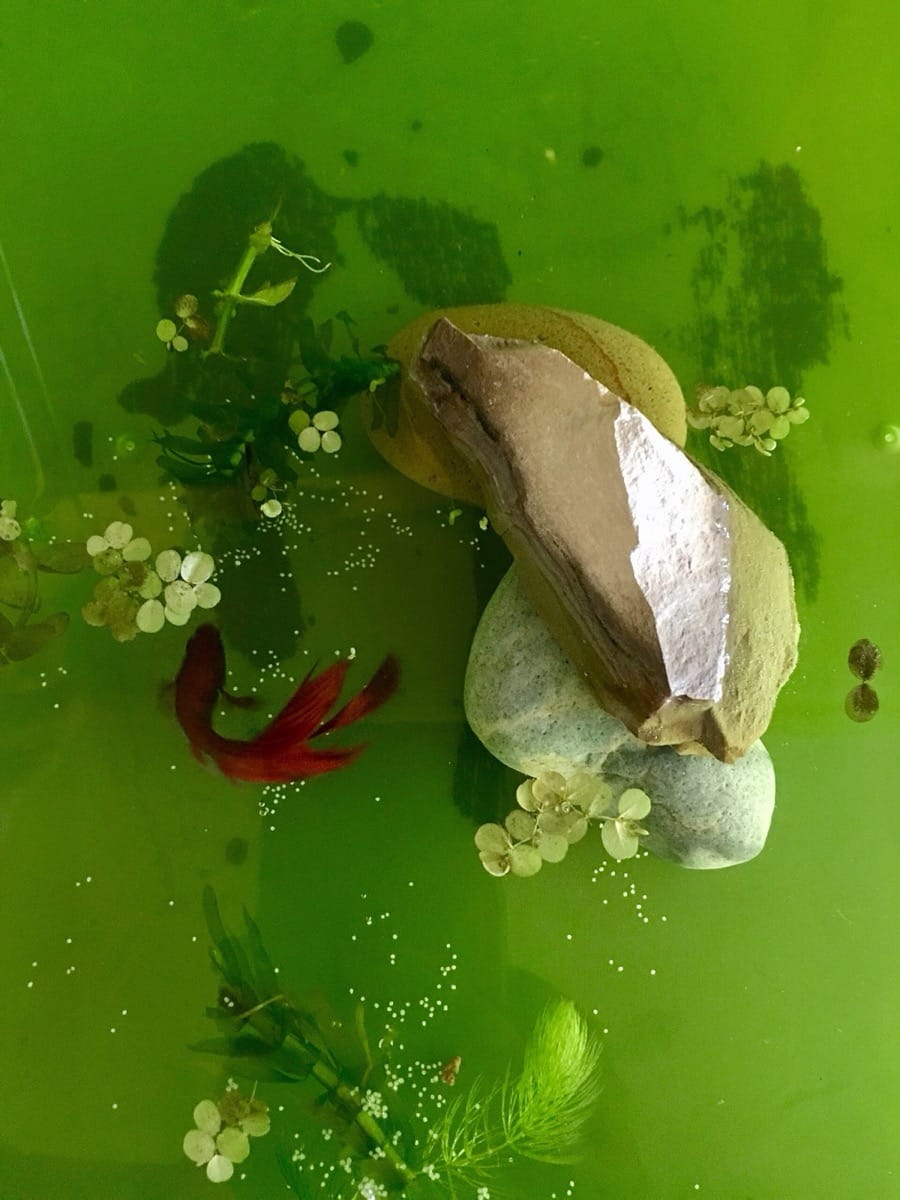
- 24-26 C
- pH 6.5-7.5
- 40 L+; 45 x 30 cm base
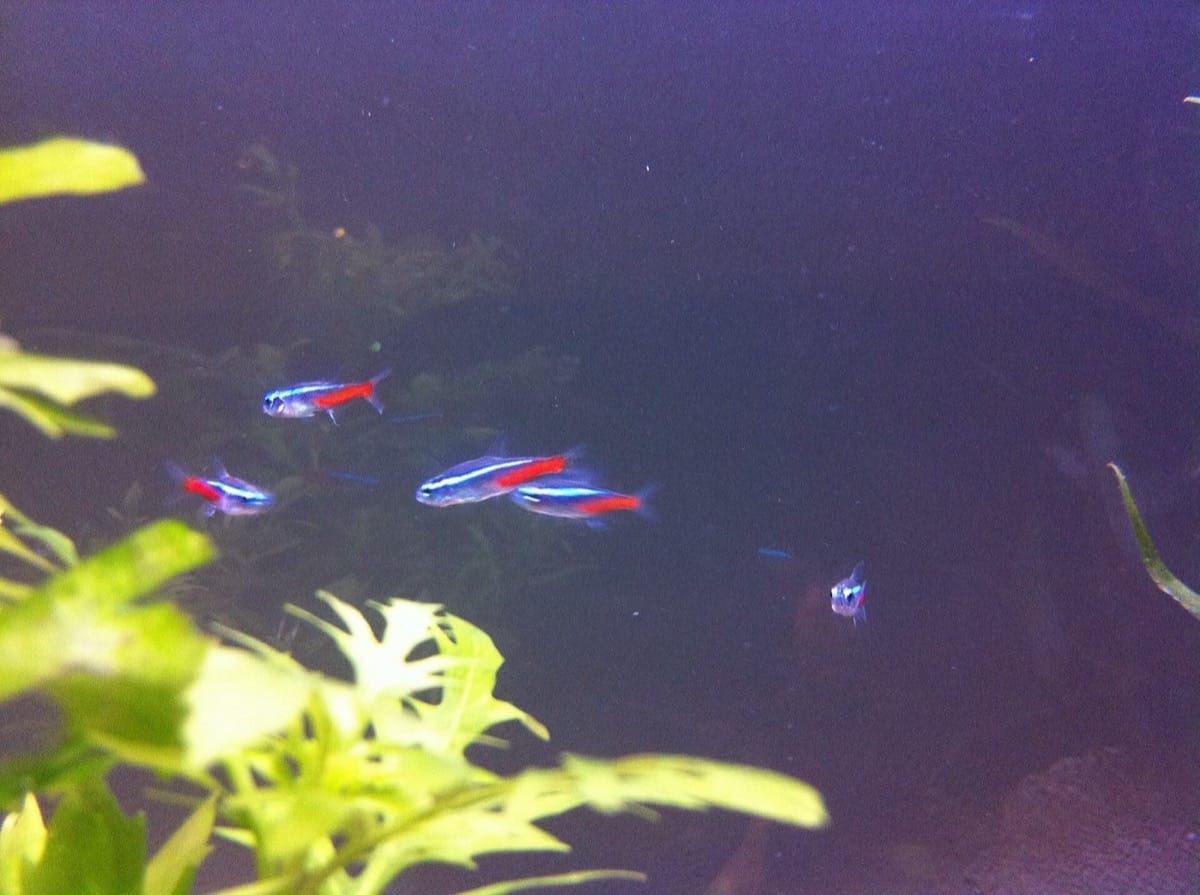
- 21-25 C
- pH 6.0-7.5
- 60 L+; 60 x 30 cm base
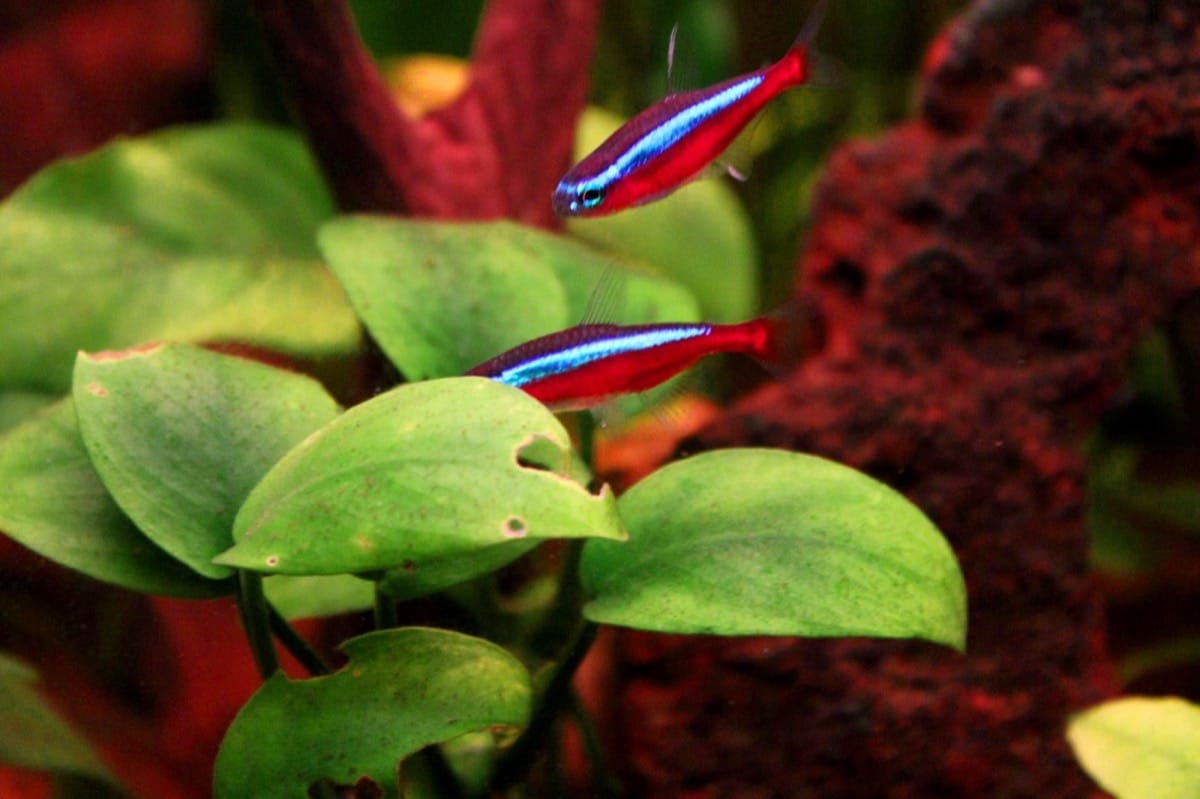
- 23–28°C
- pH 5–6.8
- 60 L+
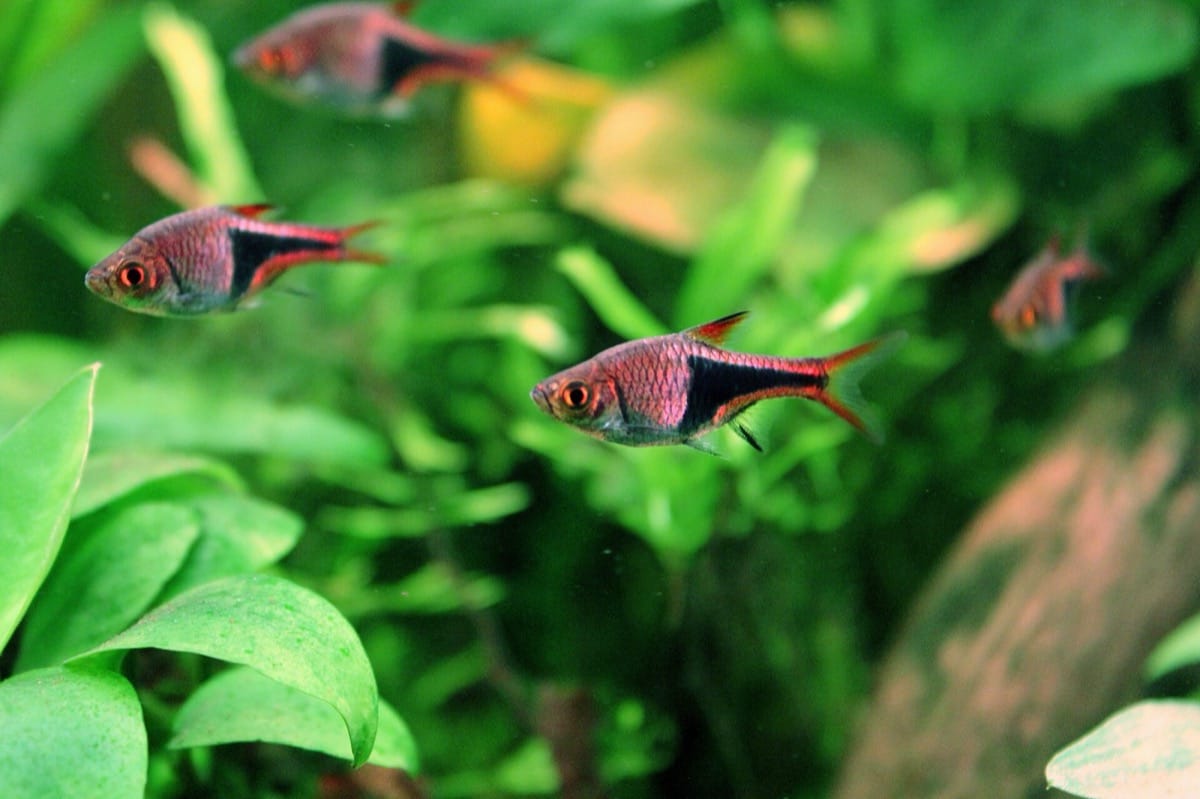
- 22–27°C
- pH 6–7.5
- 60 L+
Best avoided with
Similar species
- 24-26 C
- pH 6.5-7.5
- 40 L+; 45 x 30 cm base
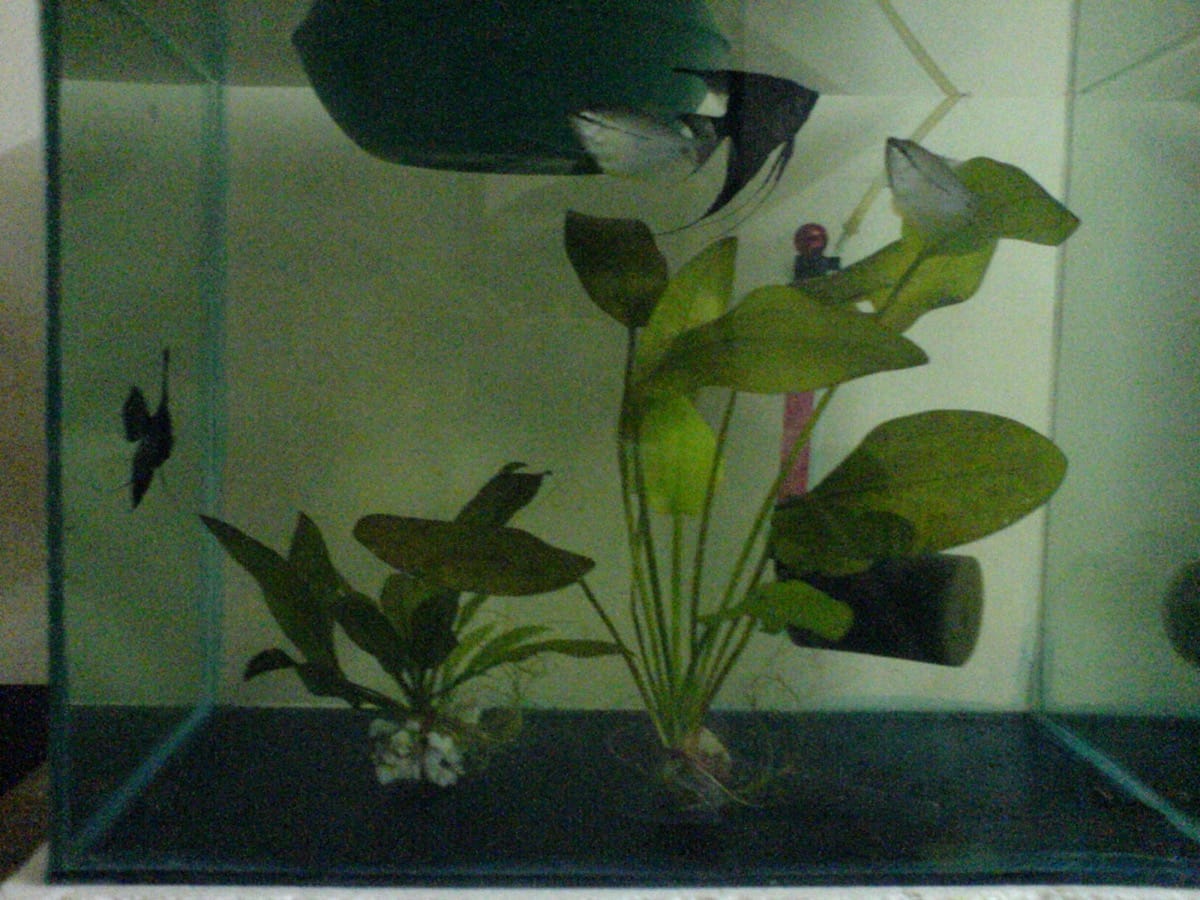
- 24–28°C
- pH 6.5–8
- 90 L+
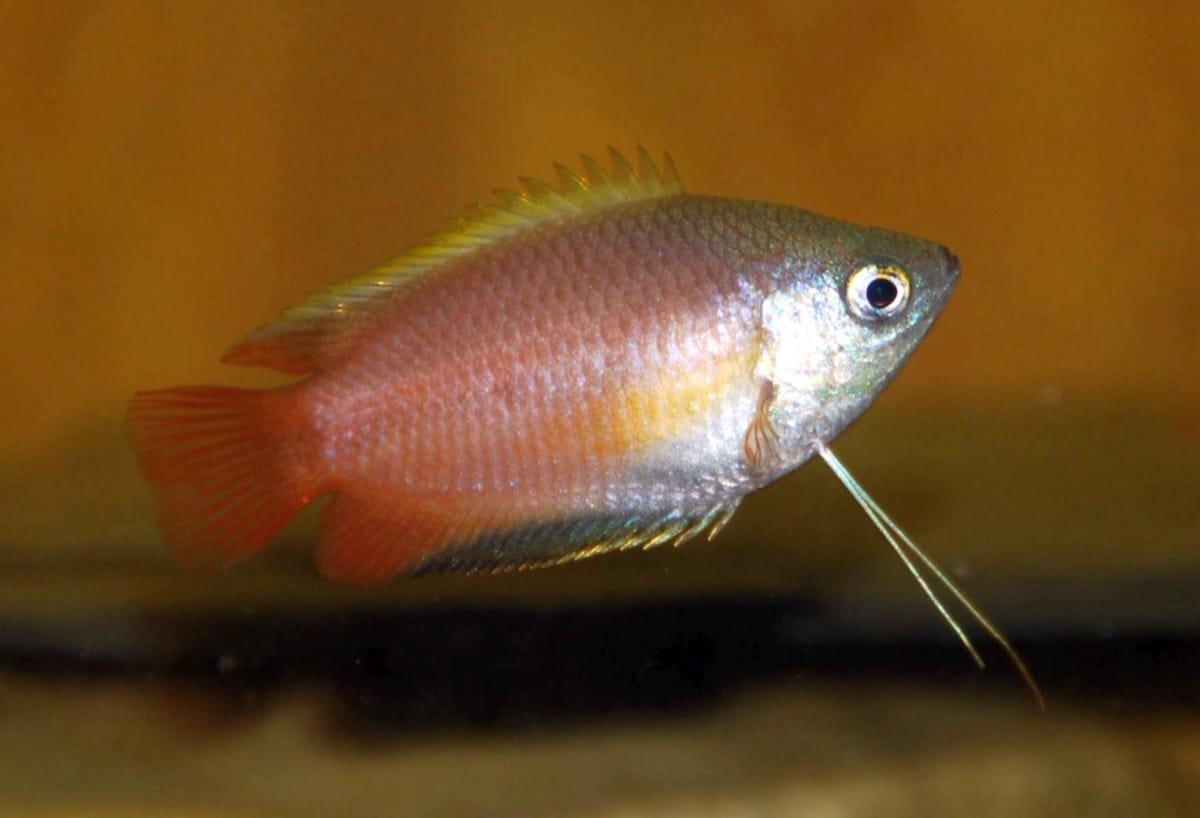
- 22–28°C
- pH 6–7.5
- 50 L+
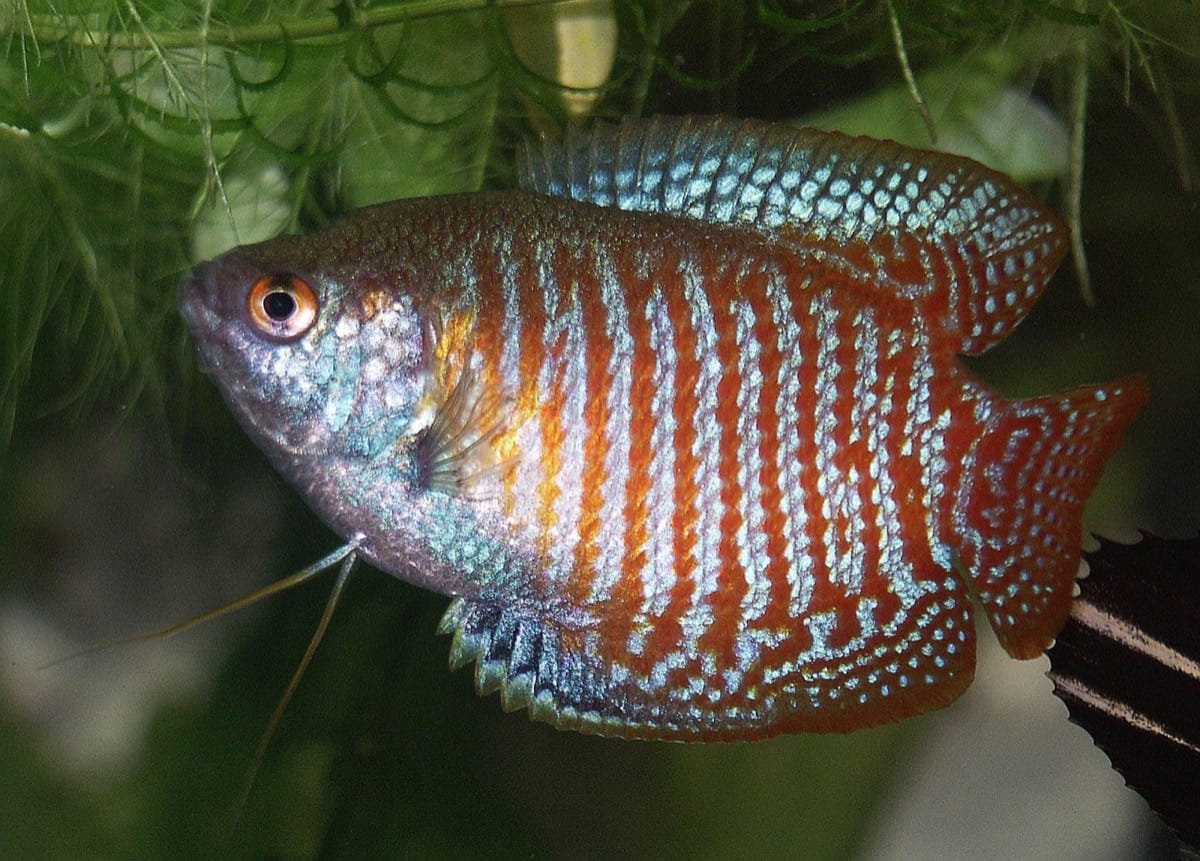
- 22-27 C
- pH 6.0-7.5
- 60 L or more; at least 60 x 30 cm base for one
Compare at a glance
| Parameters | Chocolate gourami | Betta | Pearl gourami | Honey gourami |
|---|---|---|---|---|
| Parameters | ||||
| Temp | 24–28 °C | 24–28 °C | 24–28 °C | 22–28 °C |
| pH | 4.5–6.5 | 6–7.5 | 6.5–8 | 6–7.5 |
| GH | 0–6 °dGH | 2–12 °dGH | 5–15 °dGH | 2–12 °dGH |
| Min. tank | 60 L | 20 L | 90 L | 50 L |
| Size | 5 cm | 6 cm | 10 cm | 5 cm |
| Diet | Carnivore | Carnivore | Omnivore | Omnivore |
| Temperament | Peaceful | Semi-aggressive | Peaceful | Peaceful |
| Difficulty | Advanced | Beginner | Intermediate | Beginner |
Care guides
New to the words? See the aquarium glossary.
Sources and research notes
Parameters are typical ranges for the species in home aquariums and vary with the individual fish and the water you use.