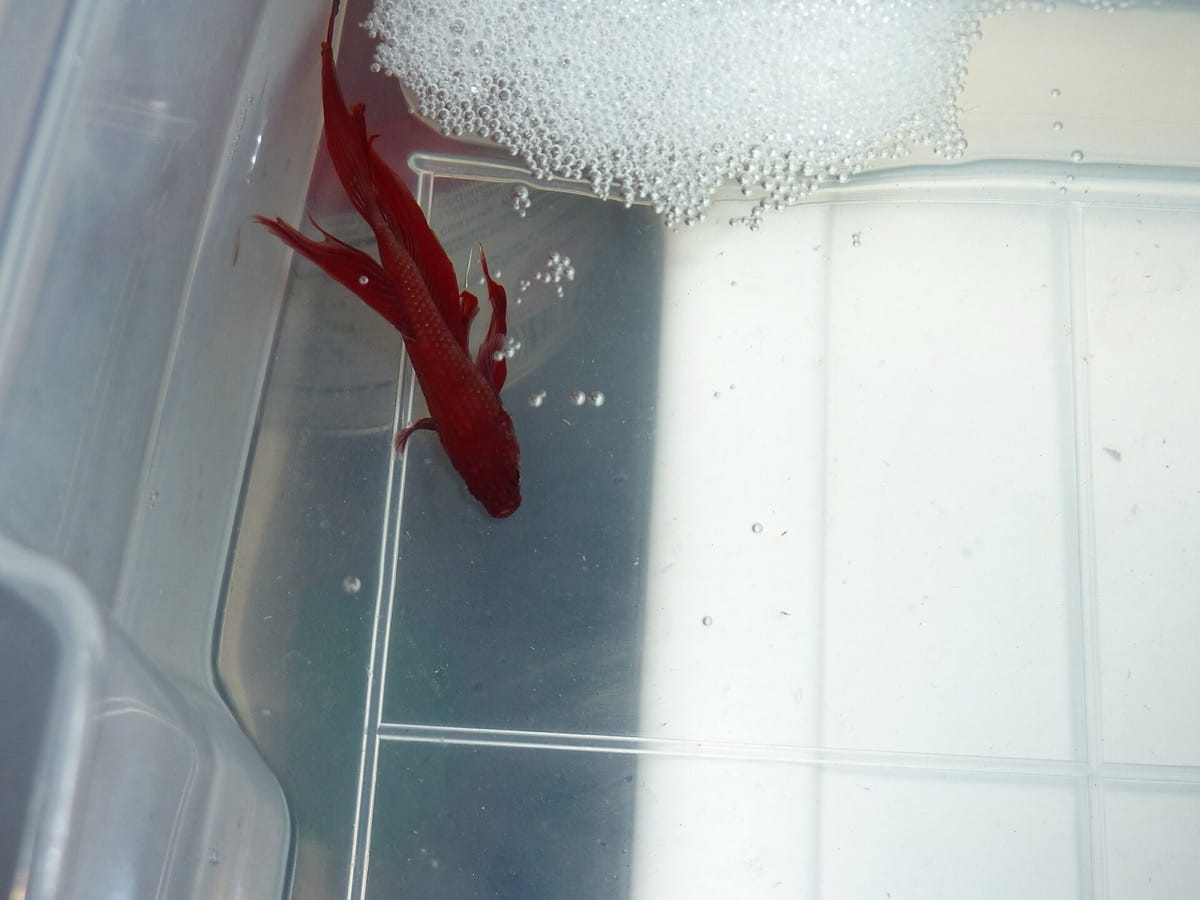
How to Set Up a Betta Tank
A betta does not need a bowl. Set up a warm, filtered, cycled tank with gentle flow and this hardy, colourful fish will thrive for years.
Bettas are sold as living in tiny bowls, and it is one of the worst myths in fishkeeping. A betta is a tropical fish that needs warm, filtered, stable water, and given a proper tank it lives far longer and shows its full colour.
Quick answer
A 20 L+ heated, filtered, planted tank with gentle flow and a lid
- Tank
- 20 litres or more, with a lid (bettas jump).
- Heat
- 26–27 °C, stable.
- Filter
- Gentle flow — a sponge filter is ideal.
- Decor
- Plants, a betta log or leaves for resting.
Setting it up
- Pick a 20 L+ tank with a lid and a small heater.
- Use a gentle filter — a sponge filter or a baffled small filter, since bettas hate strong current.
- Add plants and cover: easy plants like anubias and java fern, plus a broad leaf or a floating betta log for the fish to rest on.
- Cycle the tank before the fish arrives — see fishless cycling.
- Acclimate slowly when introducing the betta; see acclimating new fish.
Everyday care
- Feed small amounts once or twice a day, and fast one day a week.
- Change 20–25% weekly with warm, dechlorinated water.
- Keep the temperature steady at 26–27 °C.
- Watch for fin-nippers if you add tankmates — some bettas suit snails and shrimp only.
Can a betta have tankmates?
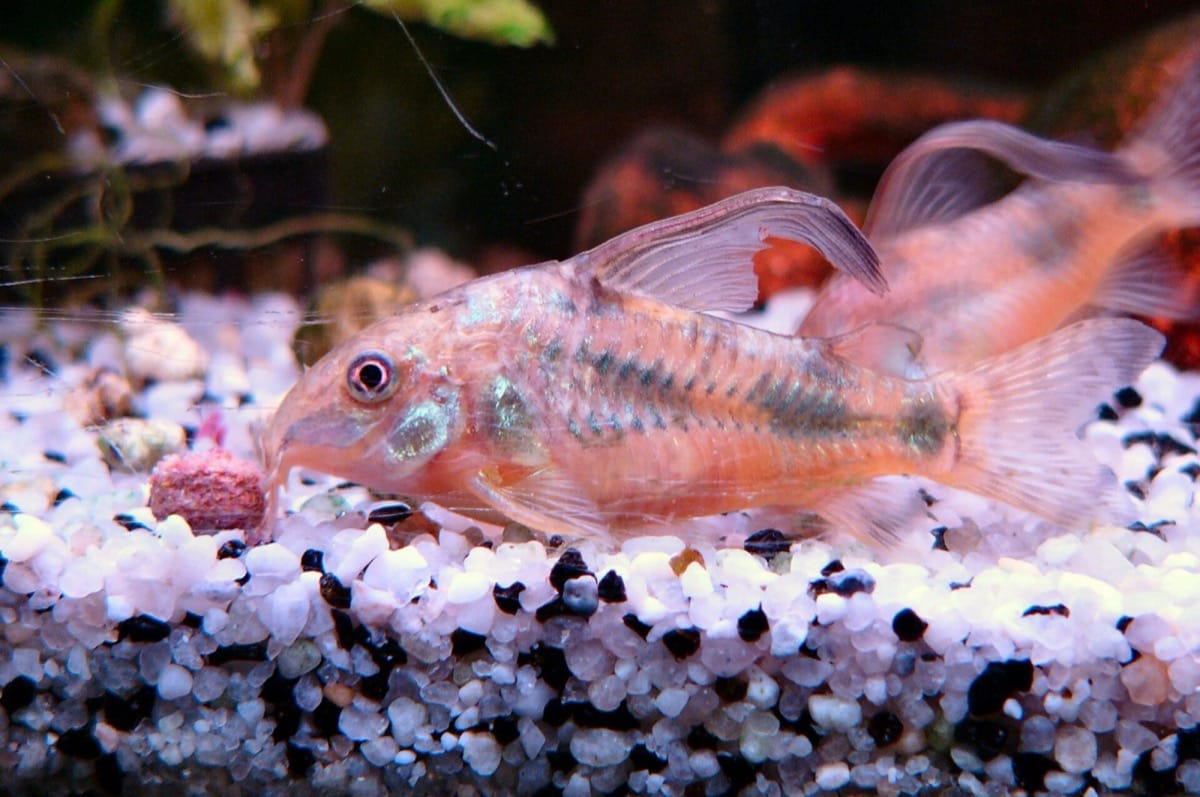
Often yes, in 20 L+ with the right companions: nerite snails, amano shrimp, or peaceful mid-water fish like rasboras or small corys. Avoid fin-nippers and other territorial fish. Every betta is an individual — watch for aggression and be ready to separate.
The right setup
Despite the myths, a betta needs a filtered tank of at least 20 litres, a thermostat heater set to around 26°C, and a lid, since bettas jump. A gentle filter is important: strong current tires their heavy fins, so choose a sponge filter or a hang-on-back with adjustable flow, or baffle the outlet with a sponge. A light and some easy plants — real or silk — give cover and make the fish feel secure and show its best colour.
Cycle before adding the fish
Do not rush. Cycle the tank first so ammonia and nitrite are handled by the filter's bacteria, then acclimatise the betta by floating its bag and adding tank water gradually over twenty to thirty minutes. This first step prevents the fin rot and stress that follow a cold or uncycled introduction. Once in, keep the lid on and the lights low for the first day while it settles.
Everyday care
- Feed a few pellets or frozen food once or twice a day, only what it eats in a couple of minutes.
- Change 25% of the water weekly, matching temperature and dechlorinating.
- Keep it warm — a steady 26°C, checked with a thermometer.
- Rinse the filter gently in old tank water when flow drops.
Bettas are intelligent and quickly learn their keeper; a mirror or short training sessions exercise them, but use a mirror only for a few minutes, as constant flaring is stressful.
Tankmates
Some bettas live peacefully with small, calm, non-nippy tankmates in a larger tank — a group of small rasboras, pygmy corydoras or a few shrimp and snails. Others must live alone, and every betta has its own temperament. Never combine two male bettas, or a betta with nippy or long-finned tankmates. Have a spare tank ready in case a "peaceful" arrangement turns out not to be.
Mistakes to avoid
- Bowls and vases — too small, unheated and unfiltered.
- No heater — bettas are tropical and suffer in cool water.
- Strong current that blows them around the tank.
- Overfeeding — a leading cause of betta ill-health.
The bottom line
Give a betta warm, filtered, cycled water, gentle flow, a lid and clean weekly changes, and it rewards you with bold colour and character for several years. The bowl advice is a myth; a proper little tank is both kinder and far more rewarding.
The long term
A well-kept betta can live three to five years, so the small upfront effort pays off for a long time. Keep up the weekly water changes, watch the temperature and appetite for early signs of trouble, and the tank becomes almost self-managing. In a properly heated and filtered setup, the fish that is often sold as a throwaway bowl pet turns out to be hardy, long-lived and full of personality.
Is a bowl okay for a betta?
No. A bowl has no filter, no heater, and too little water to stay stable. A small filtered, heated tank is far kinder.
Does a betta need a heater?
Yes — it is a tropical fish and needs warm water around 26–27 °C year-round.
Do bettas need a filter?
Yes. Even a gentle sponge filter keeps the water safe; bettas also appreciate a gentle turnover rather than still water.
Related guides
Tools for this guide
Sources and research notes
Betta care follows standard fishkeeping guidance; the species profile covers its parameters in more detail.
Written and edited by the Tankwise Editorial. Every guide answers one real fishkeeping question, is checked against the sources listed above, and is updated when guidance changes. We are an independent editorial desk, not veterinary or aquarium professionals — read how we research and update our guides.
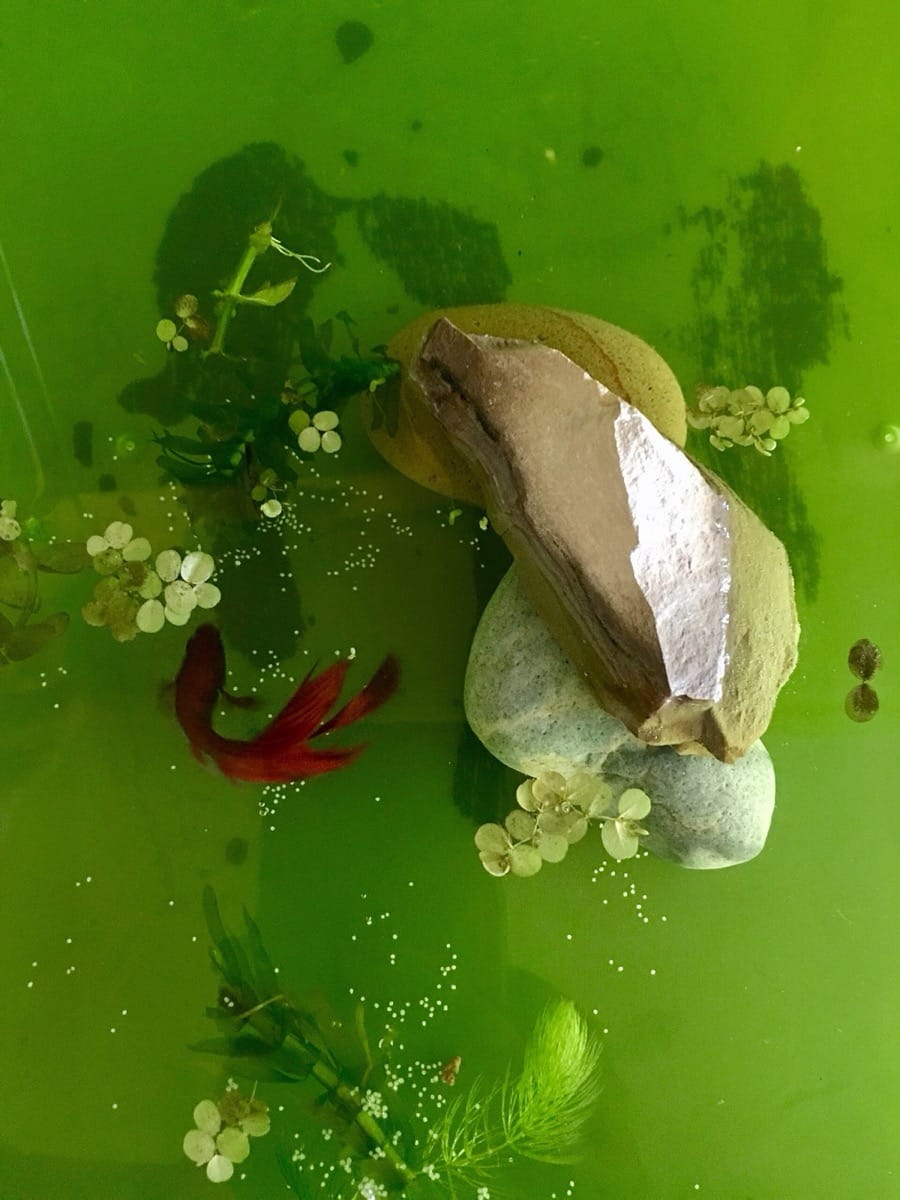
- 24-26 C
- pH 6.5-7.5
- 40 L+; 45 x 30 cm base
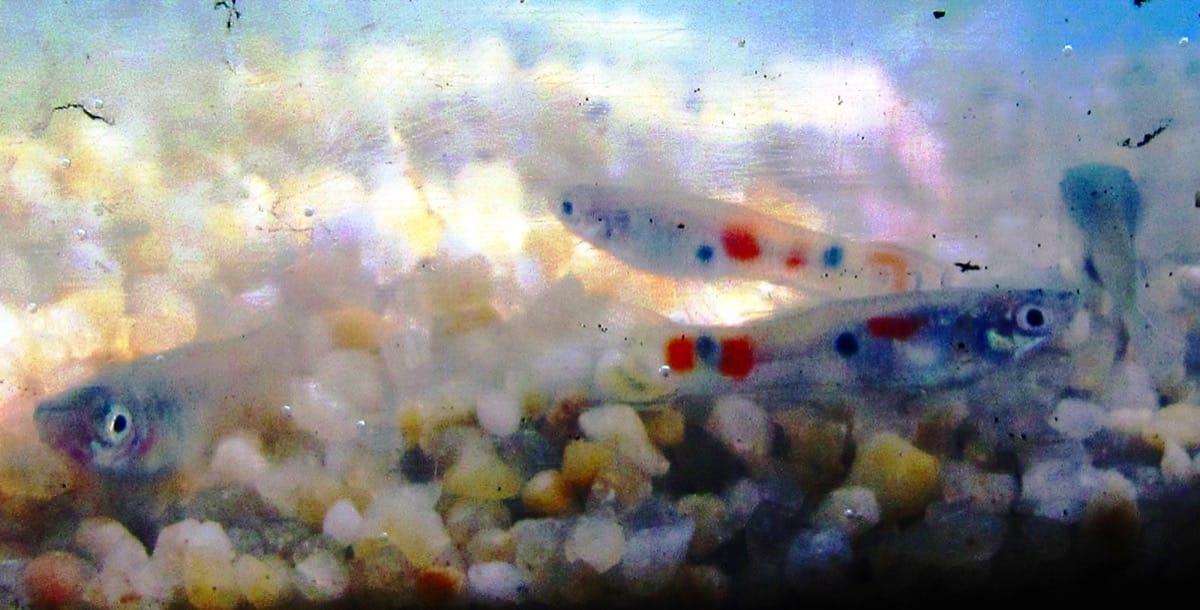
- 22-26 C
- pH 7.0-8.5
- 60 L+; 60 x 30 cm base
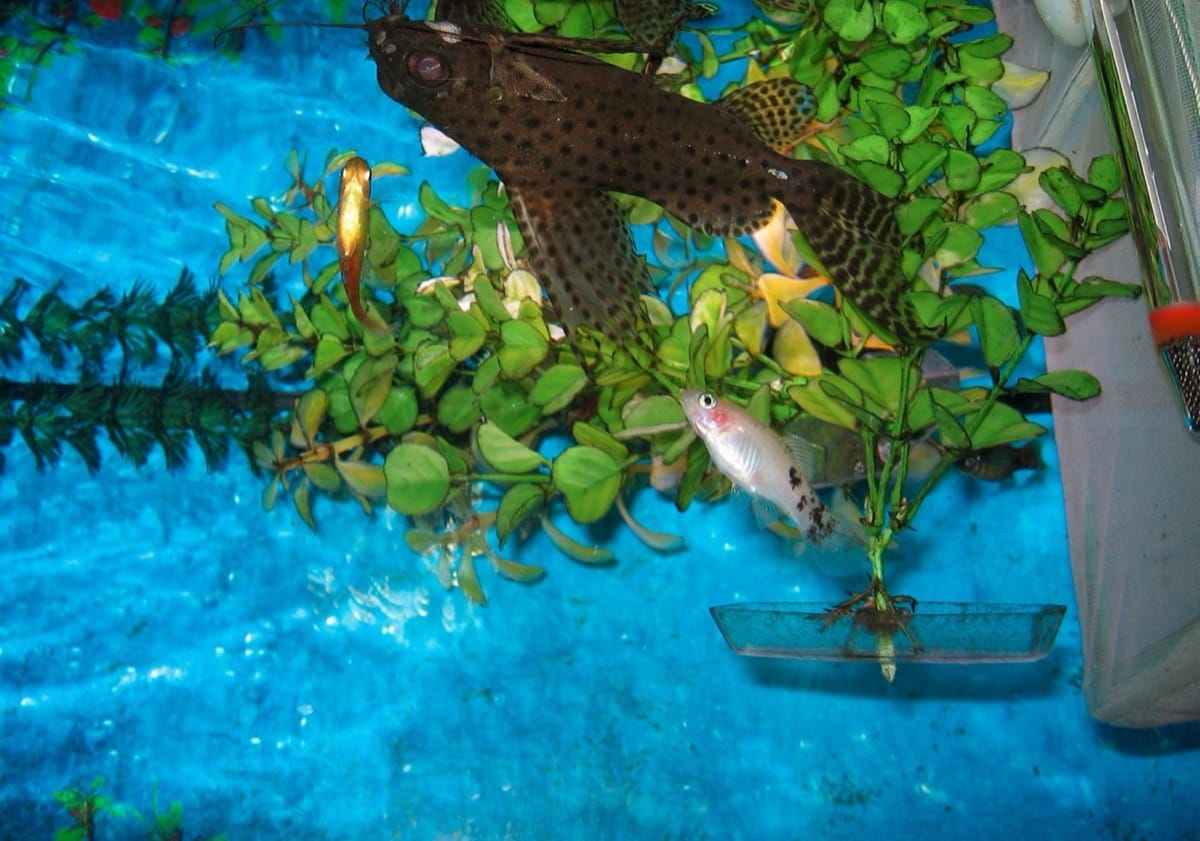
- 20–26°C
- pH 7–8.2
- 50 L+
- 20–26°C
- pH 6–7.8
- 60 L+